What is an ELMUS Wallet?
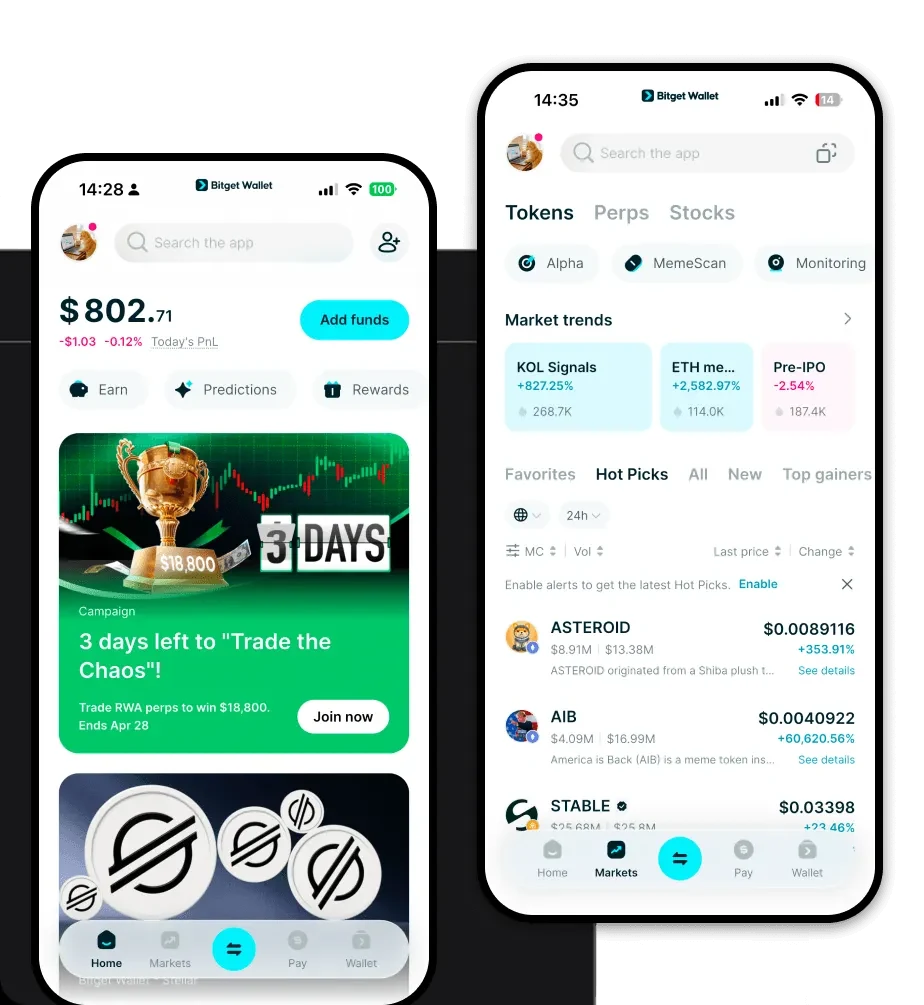
An ELMUS wallet is a digital interface that allows you to interact with the ELMUS token on the blockchain. Because ELMUS operates on the EVM (Ethereum Virtual Machine) chain, your wallet acts as a gateway to decentralized finance, enabling you to sign transactions, manage your token balances, and connect to various decentralized applications (DApps). ELMUS is a digital asset supported by the Bitget Wallet ecosystem, allowing users to securely manage, trade, and explore its utility within the Web3 space. Bitget Wallet provides a reliable interface for ELMUS holders to engage with decentralized applications.
Download Bitget ELMUS Wallet
Getting started with your ELMUS journey requires a reliable, non-custodial gateway. Bitget Wallet offers a comprehensive solution that puts you in full control of your private keys. Whether you are a mobile user or prefer managing assets from your desktop, the platform has you covered. You can download Bitget Wallet to access a unified experience that includes multi-chain support, ensuring that your ELMUS tokens and other assets are managed within a single, streamlined interface. Available for iOS, Android, and as a browser extension, it is designed for both security and ease of use.
Why Choose Bitget ELMUS Wallet?
- EVM Compatibility: As an EVM-based token, ELMUS benefits from Bitget Wallet’s deep integration with Ethereum-compatible chains, ensuring seamless interaction with smart contracts and reduced friction during transactions.
- Advanced Trading Features: Built-in access to hundreds of DEXs and cross-chain bridges allows ELMUS holders to find the best liquidity paths without leaving the wallet app.
- Community-Driven Support: The wallet interface is optimized to highlight trends and tokens like ELMUS, making it easier for community members to stay updated on ecosystem developments.
- Enhanced Security Infrastructure: With a $300 million user protection fund and robust encryption protocols, Bitget Wallet ensures your assets remain safe from external threats while maintaining self-custody.
How to Create an ELMUS Wallet
Setting up your wallet takes only a few minutes. Follow these steps to get started:
- Download and Install: Visit the official site to download the Bitget Wallet app on your preferred device.
- Create a New Wallet: Open the app, select 'Create Wallet,' and ensure you back up your mnemonic phrase in a secure, offline location.
- Set Up Security: Enable biometric authentication or a strong password to add an extra layer of protection to your funds.
- Add ELMUS: Use the 'Add Token' feature and paste the official ELMUS contract address to make the asset visible in your dashboard.
- Manage Assets: Once added, you can send, receive, or swap ELMUS directly from your wallet address.
What Can You Do With an ELMUS Wallet?
- Trading on Decentralized Exchanges: Use the integrated swap function to exchange ELMUS for other assets across various liquidity pools instantly.
- Holding for Speculative Value: Securely store your ELMUS tokens long-term, utilizing the non-custodial nature of the wallet to ensure you retain full ownership.
- Portfolio Diversification: Easily manage ELMUS alongside other crypto assets, balancing your holdings across different EVM chains within one interface.
- Cross-Platform Wallet Management: Import your existing wallet addresses into Bitget Wallet to enjoy a consistent experience across mobile and desktop devices.
How ELMUS Wallets Are Different from Other Crypto Wallets
Unlike simple custodial exchange accounts, an ELMUS wallet (specifically on the EVM) operates on an account-based model. This means your wallet address is a unique identifier on the blockchain that interacts directly with smart contracts. Because ELMUS is an EVM token, your wallet must handle gas fees efficiently; Bitget Wallet optimizes this by providing real-time gas fee estimates and custom settings, which is a significant advantage over rigid or high-fee alternatives. While some wallets are limited to a single chain, the Bitget ELMUS wallet architecture is designed to handle the complexity of EVM interactions, ensuring faster confirmation times and a smoother experience when engaging with DeFi protocols compared to standard, feature-sparse wallets.