Download now
Download now




Bitcoin (BTC) Wallet
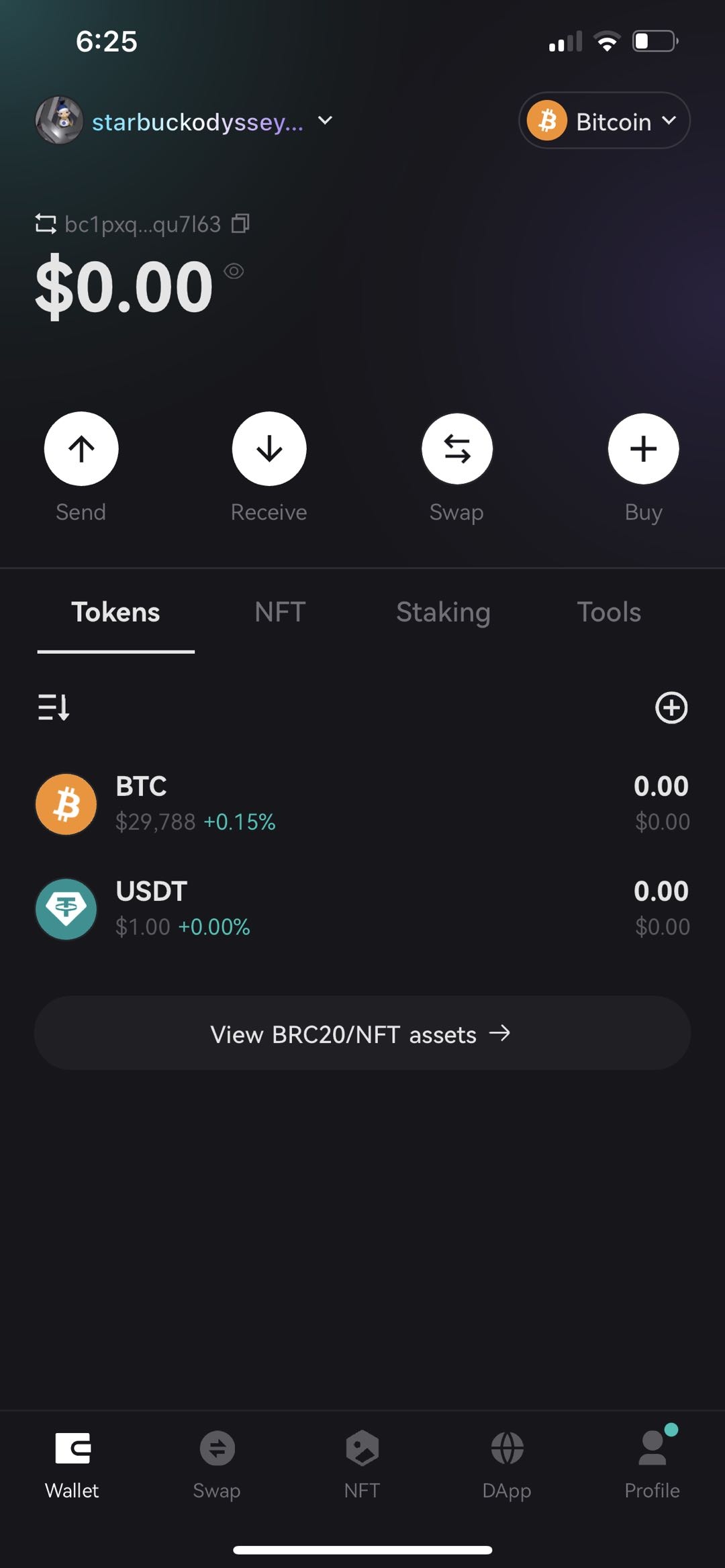
With a Bitcoin (BTC) wallet, you can send, receive and swap from/to BTC on different mainnets. You can also experience the rich Bitcoin (BTC) DApp ecosystem and other transaction features in our wallet. Get your own Bitcoin (BTC) wallet now to explore more.






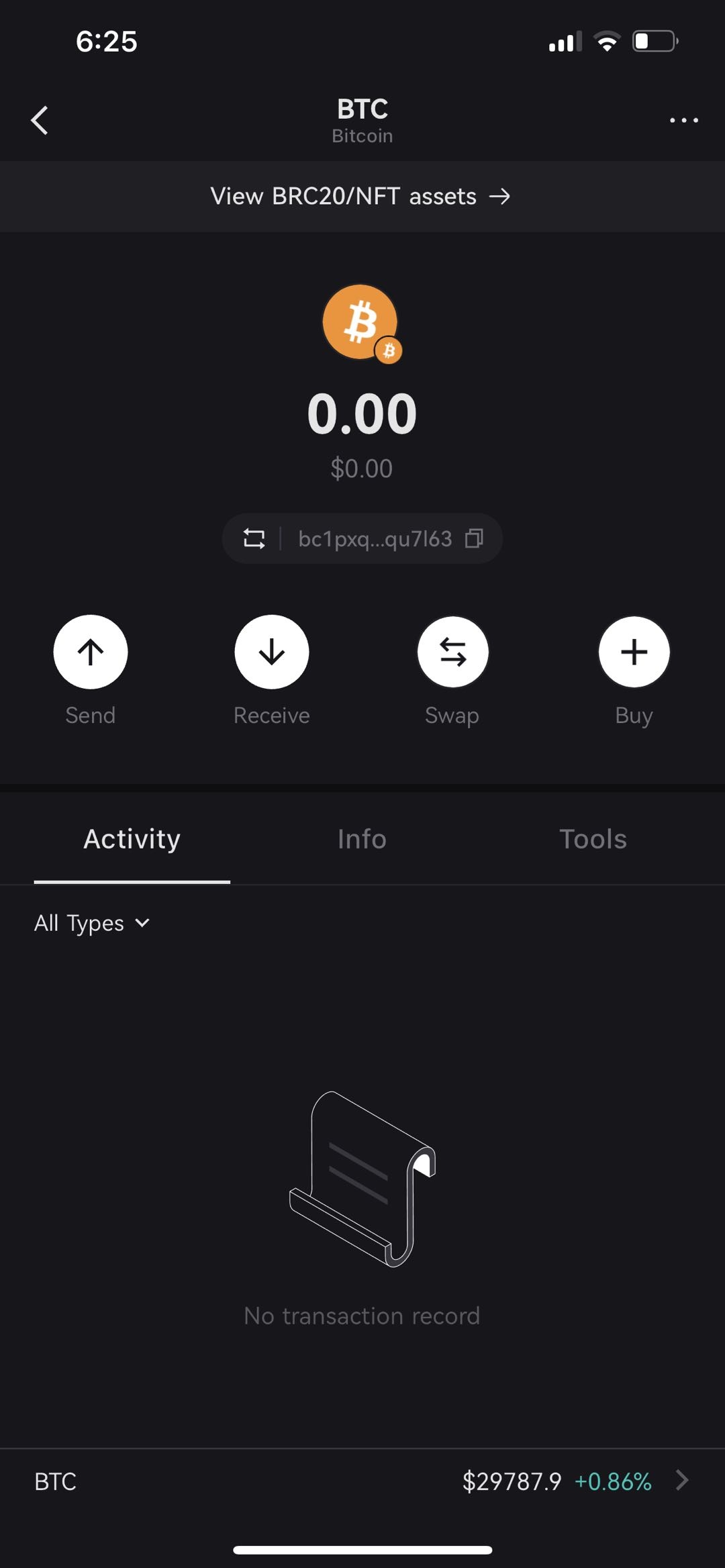
How to create a Bitcoin (BTC) wallet
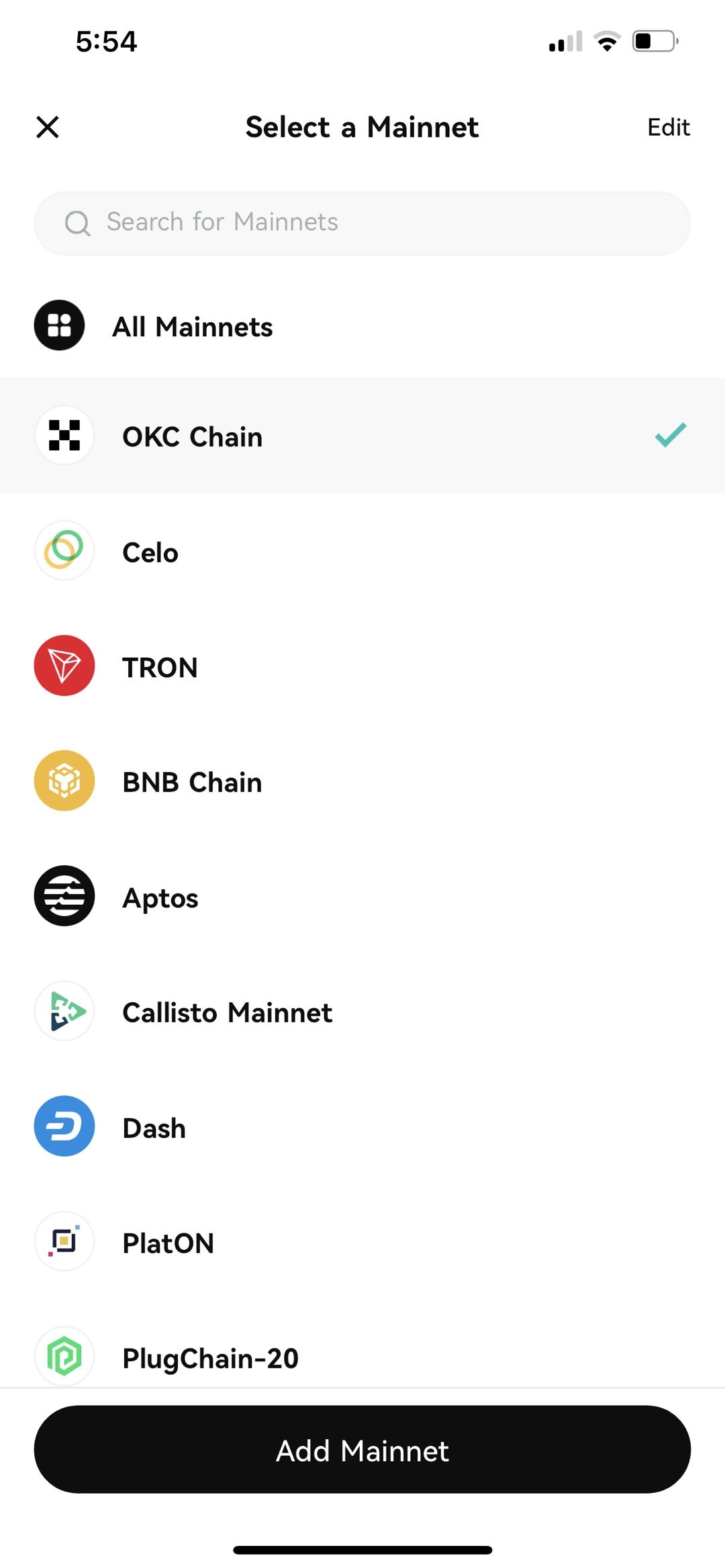
- 1. Create or import a wallet
- 2. Choose to “Add a mainnet”
- 3. Choose Bitcoin (BTC)
- 4. Return to the home page of Bitget Wallet to view the added mainnet and its native token
You can also use our OTC feature to buy BTC with fiat currency and then swap for other tokens.
Bitcoin (BTC) Wallet Features
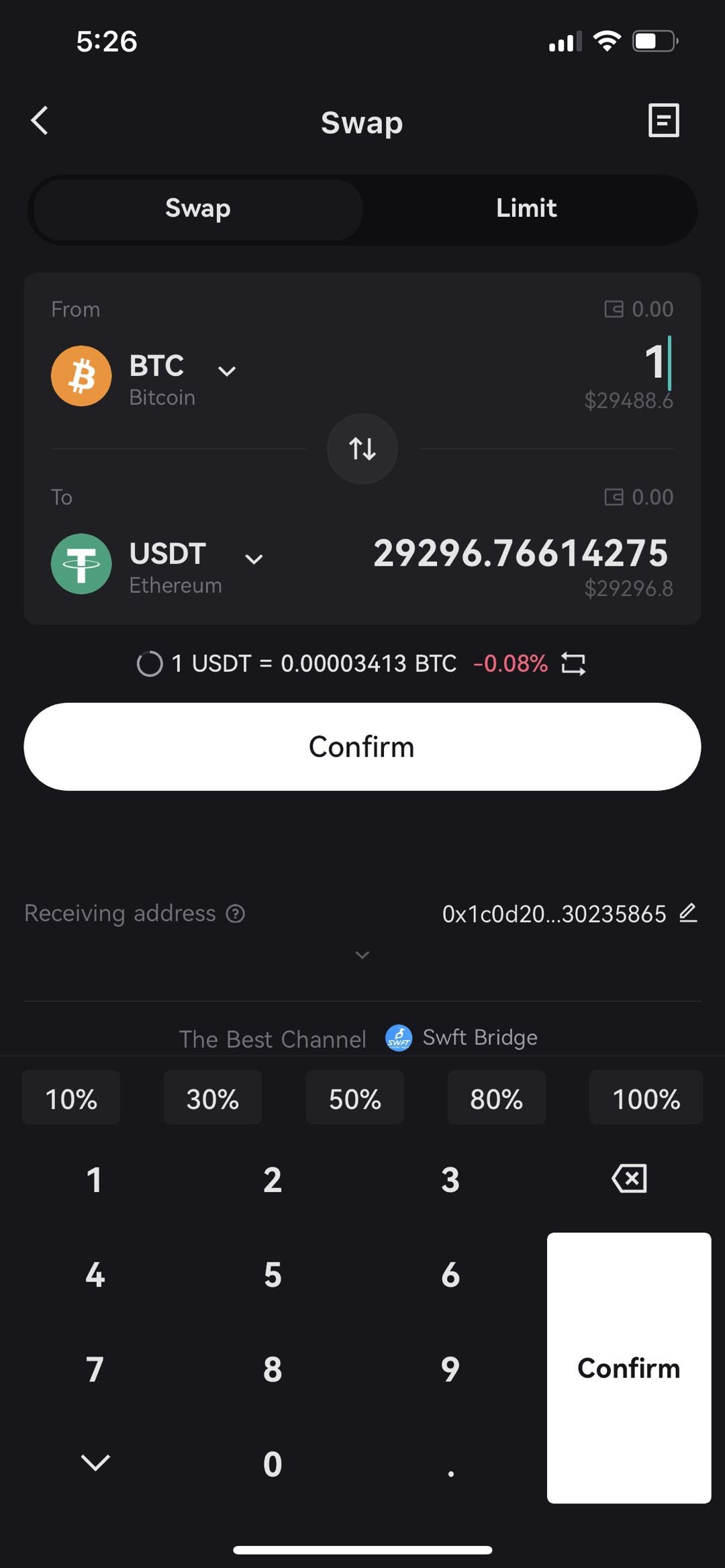
Swap on Bitcoin
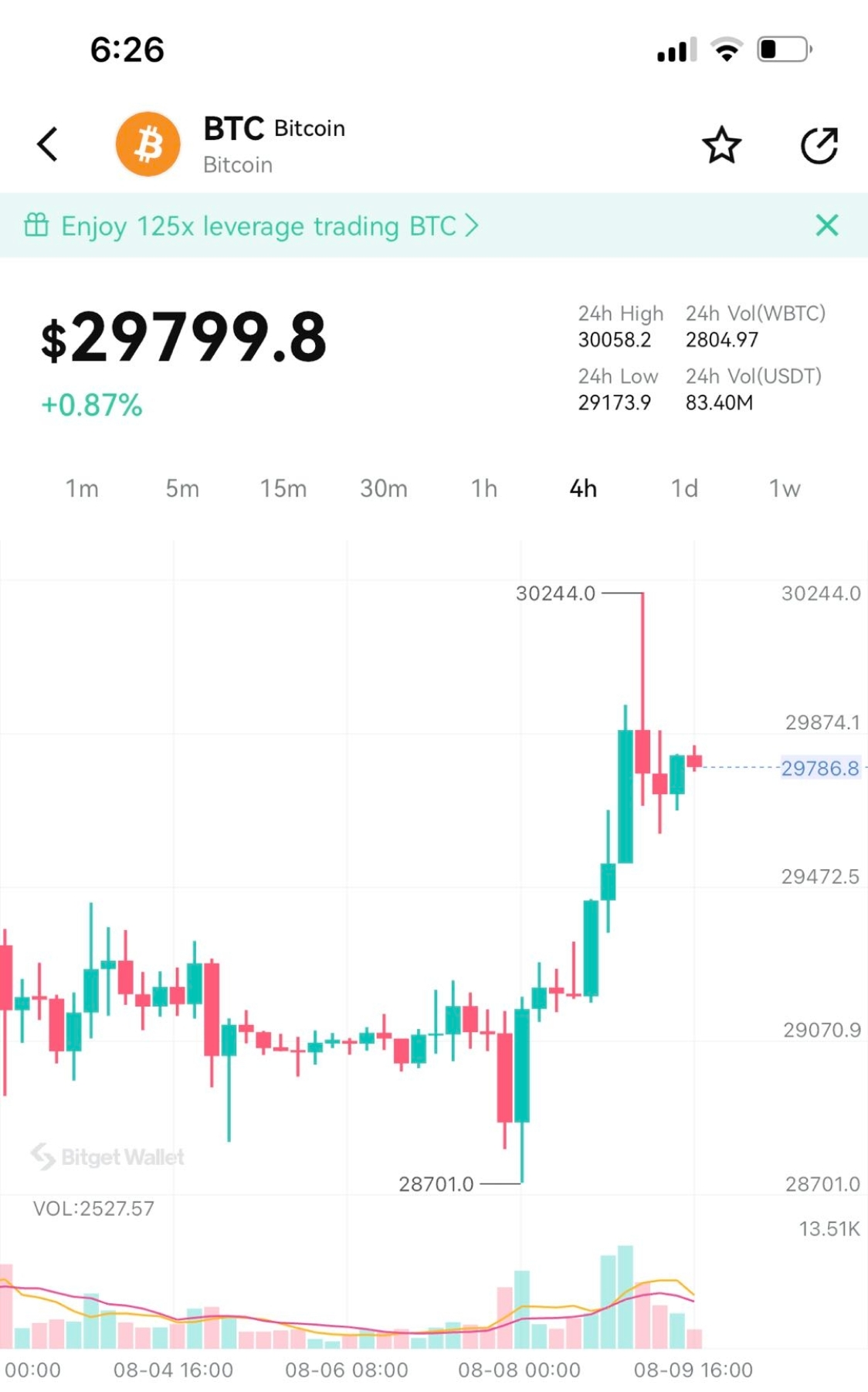
Bitget Swap has the most inclusive BTC market intelligence, including: Real-time Quote, Token Price Chart (where users can choose to view by Day, Week, Month, or Year), Token Contract, Market Cap, Circulating Supply, Holders, transaction histories, data analysis.
Visit Bitget Swap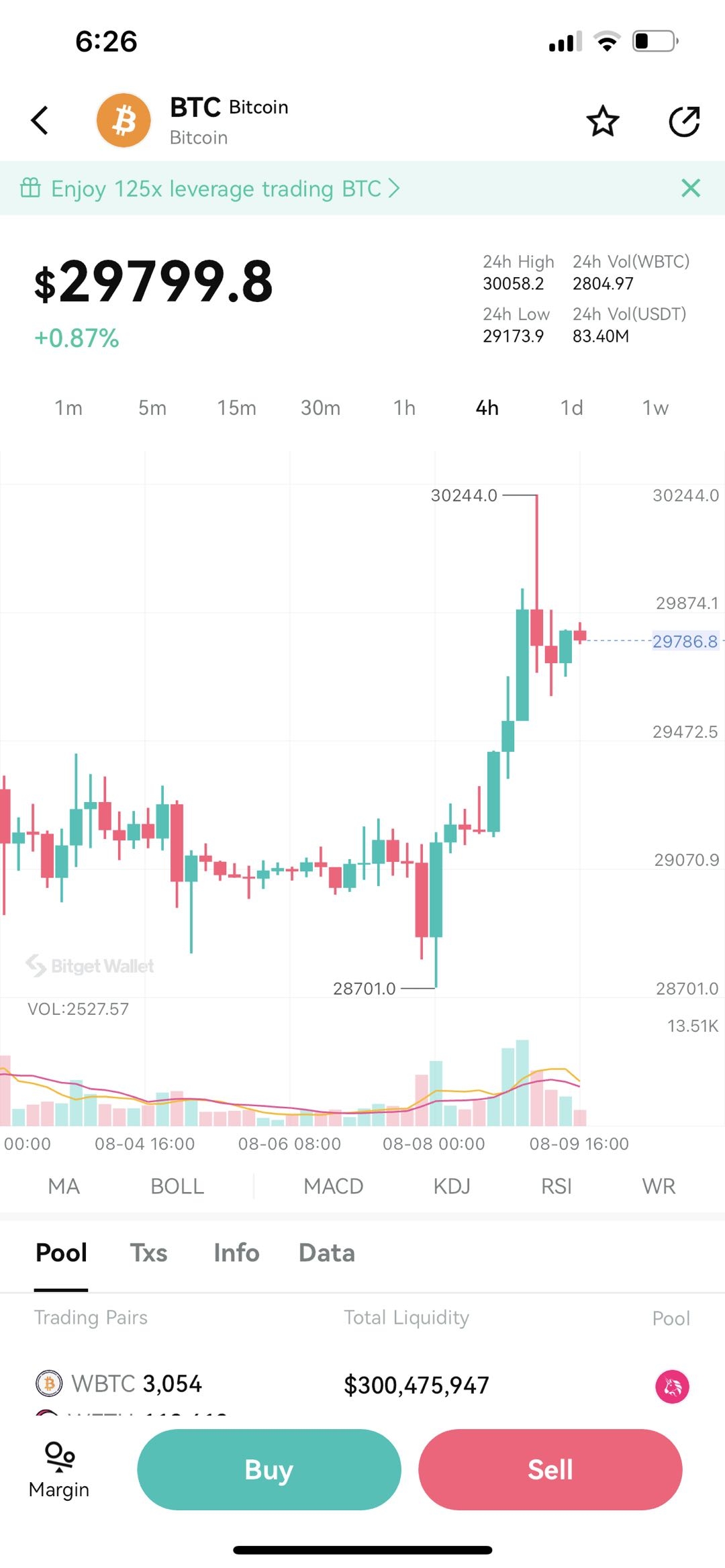
DApps on Bitcoin
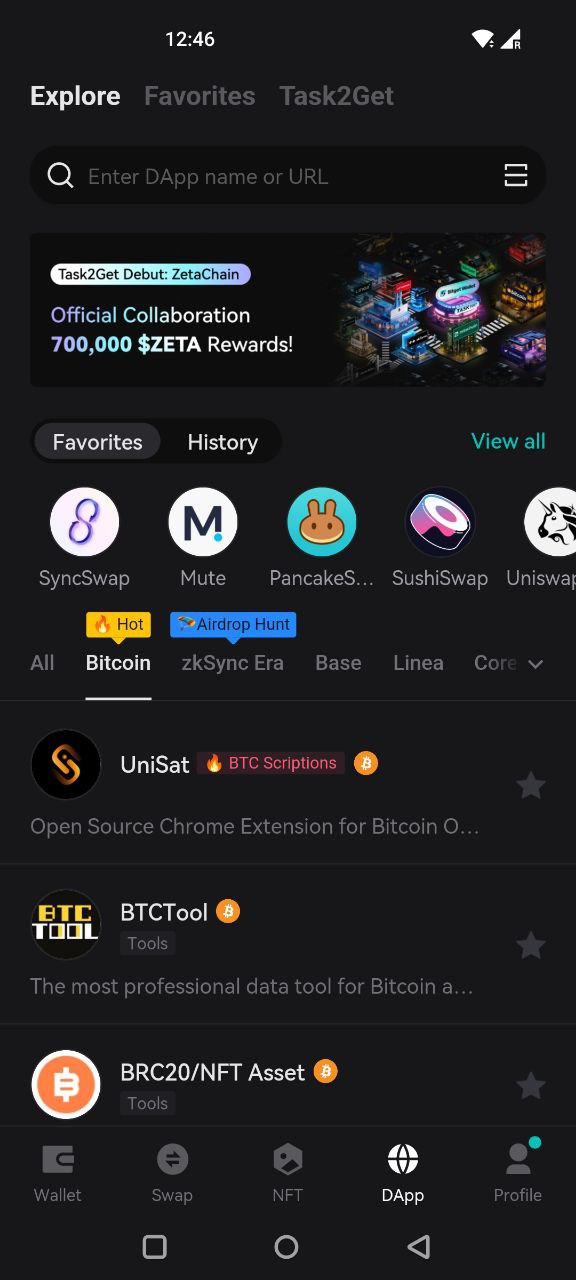
Bitget Wallet DApp supports all kinds of Bitcoin DApps, including DeFi, NFT (Ordinals), GameFi, Bridge, Exchange, Mine, Tools, Social, and Loan. All the latest and most popular Bitcoin projects are listed in the Bitget Wallet DApp section. Users can effortlessly access the Bitcoin ecosystem through Bitget Wallet DApp Browser, exploring trending DApps such as UniSat, BTCTool, Magic Eden, Ordinals Market, and more.
Visit the Bitget DApp browser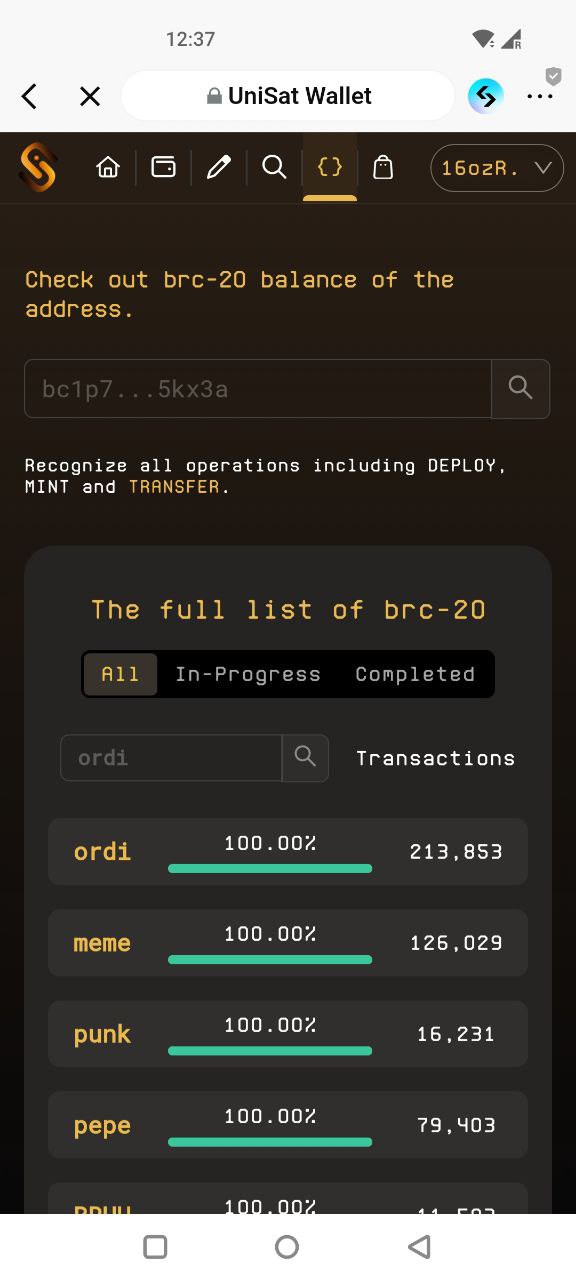
FAQ
How to purchase Bitcoin (BTC)?
What’s the best Bitcoin (BTC) wallet?
How to download and create a Bitcoin (BTC) wallet?
About Bitcoin (BTC)
What is Bitcoin (BTC)?
Bitcoin (BTC) originated from a peer-to-peer distributed network operation proposed by Satoshi Nakamoto in 2008. It uses encryption technology and distributed ledgers to avoid relying on centralized institutions for endorsement. The emergence of Bitcoin also means the birth of a decentralized payment system. Unlike centralized exchanges, Bitcoin runs on many distributed devices. Within seconds, a given block will be propagated to all other nodes on the network to make sure all nodes reach a consensus on which blocks are valid. In order to protect the users’ privacy, Bitcoin uses 4 kinds of addresses: Legacy Adresses (P2PKH), Pay to Script Hash (P2SH), Native SegWit (P2WPKH) and Taproot (P2TR).What is a Bitcoin (BTC) wallet?
Manage your BTC assets effortlessly with the Bitcoin (BTC) wallet. Experience top-notch services including cross-chain swaps, transfers, deposits, and balance inquiries. Remember, the private key is your wallet's heart - control it, and you control your Bitcoin. Ready to embark on your Bitcoin journey? Download the Bitget wallet now, available for iOS, Android, and as a Chrome extension. Join us and manage over 250,000 different tokens with just one wallet!What is BRC-20?
BRC-20 is a new token standard on the Bitcoin blockchain, introduced by @domodata in March 2023 as a variation of Ethereum's ERC-20. It diverges by not using smart contracts on EVM chains but instead operates as a script file within the Bitcoin network. Utilizing the ordinals protocol, BRC-20 attaches metadata to Bitcoin transactions, creating tokens distinct from Bitcoin. These tokens, stored as JSON script files, require specialized software for their management. Bitget Wallet is one of the pioneering wallets that allow you to manage your BRC-20 tokens, such as ORDI, SATS, TURT, RATS, and many more.What is Bitcoin's Taproot upgrade?
The Taproot upgrade, implemented in Bitcoin in November 2021, is a significant enhancement focusing on improving transaction efficiency and privacy. It introduces Schnorr signatures, replacing the older ECDSA signatures. This change results in smaller transaction sizes, reducing block space usage and transaction costs. Taproot also enhances privacy by making all transactions, regardless of their complexity, appear uniform on the blockchain. This is particularly beneficial for smart contracts and multi-signature transactions, as it makes them indistinguishable from standard transactions. The upgrade is a major step in Bitcoin's evolution, offering more efficient, private, and sophisticated transaction capabilities.What is the Bitcoin Lightning Network?
The Bitcoin Lightning Network is a second-layer solution built atop the Bitcoin blockchain. Its primary purpose is to enable quicker and more cost-effective transactions, addressing the scalability issues of the main Bitcoin network. It achieves this by establishing payment channels between users, which allows for instant transactions without recording every detail on the blockchain. This reduces both transaction times and fees, making it highly suitable for frequent, small-scale transactions. The Lightning Network is a significant step towards enhancing Bitcoin's functionality, making it more practical for everyday transactions and reducing congestion on the main blockchain.How does Bitcoin work?
Bitcoin operates on a decentralized blockchain network, recording transactions in chronological order for transparency and security. Miners confirm transactions and add them to the blockchain, receiving BTC as a block reward. Primarily used as an investment, BTC is not controlled by any central authority, though its value is influenced by external factors. Bitcoin has several forks, such as Bitcoin Cash and Bitcoin Gold, contributing to its diverse ecosystem with 45 of these variants still actively traded.

About us
Bitget Wallet X
Products

About us
Products
Bitget Wallet X