





What is a KAT Wallet?
A KAT wallet is a specialized digital asset storage solution designed to interact with the Kambria ecosystem. KAT serves as the native utility token for Kambria, an open innovation platform purposefully built to accelerate the development of robotics and AI technologies. Because Kambria operates on an EVM-compatible chain, your KAT wallet acts as a bridge to this decentralized infrastructure, allowing you to hold, manage, and interact with the token seamlessly. According to the project specifications, KAT is used for incentivizing developers, rewarding community contributions, and facilitating transactions within the Kambria marketplace. To interact with this ecosystem, you need a wallet that supports EVM standards, ensuring you can manage your assets while participating in decentralized governance and marketplace activities.
Download Bitget KAT Wallet
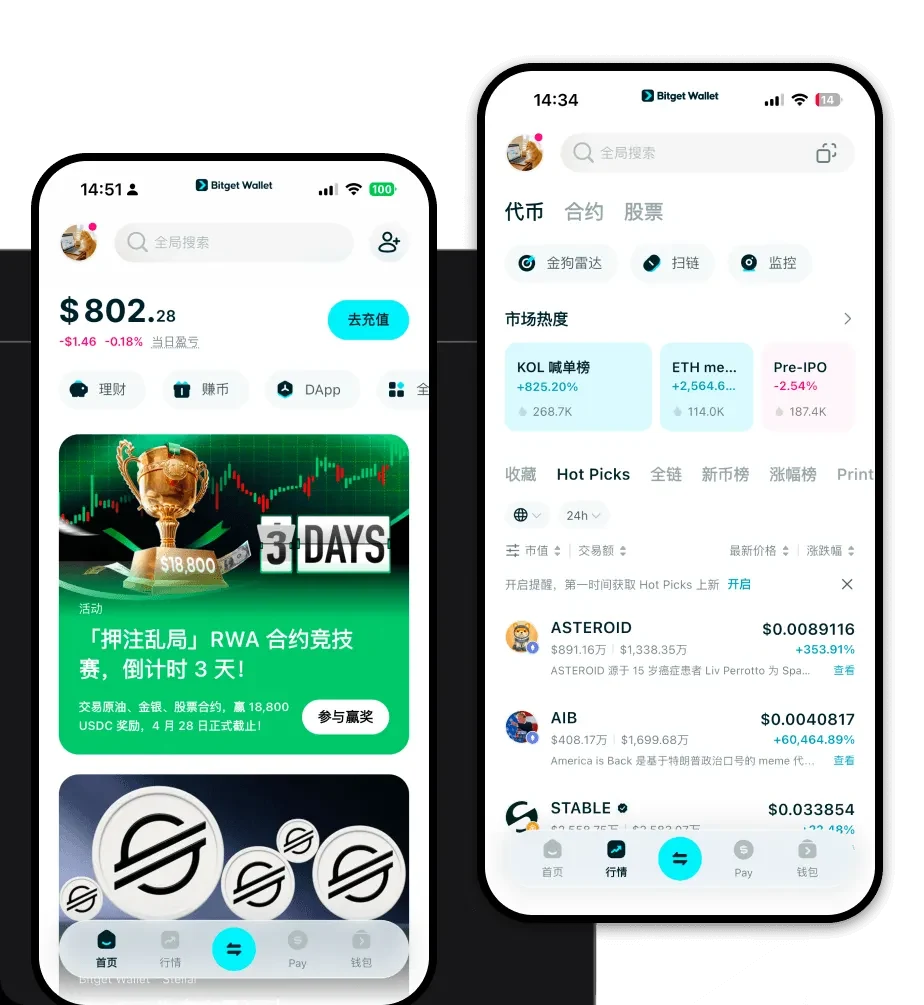
If you are looking for a reliable gateway to the Kambria ecosystem, Bitget Wallet stands out as a premier choice for both beginners and advanced users. It provides a robust, decentralized interface that puts you in full control of your private keys, ensuring that you—and only you—have custody of your assets. Whether you prefer managing your portfolio on the go via iOS or Android, or you require the convenience of a browser extension for desktop interactions, Bitget Wallet offers a unified experience. It supports over 130 mainstream blockchains, making it an ideal hub for your multi-chain portfolio beyond just EVM assets. To get started, you can download Bitget Wallet and instantly gain access to a secure, high-performance environment for your digital assets.
Why Choose Bitget KAT Wallet?
Choosing the right wallet for an infrastructure-focused token like KAT requires balancing security with EVM ecosystem compatibility. Here is why Bitget Wallet is the preferred choice for KAT holders:
- Seamless EVM Integration: Built specifically to handle EVM-compatible chains, Bitget Wallet allows you to interact with Kambria's smart contracts without friction, ensuring accurate gas fee estimation and transaction speed.
- Robust Security Architecture: With an integrated $300 million user protection fund, Bitget Wallet provides an extra layer of security, mitigating risks associated with decentralized storage.
- Comprehensive DeFi & DApp Access: As an infrastructure-focused wallet, it aggregates hundreds of DEXs and liquidity sources, allowing you to swap KAT or manage liquidity with better slippage control than standard wallets.
- User-Centric Asset Management: The interface is designed to simplify complex blockchain interactions, making it easy to track your KAT holdings, governance participation, and bounty rewards in one centralized dashboard.
- Multi-Chain Versatility: Because the crypto landscape is vast, Bitget Wallet ensures you aren't siloed; you can manage your KAT alongside other assets across 130+ blockchains in a single, streamlined interface.
How to Create a KAT Wallet
Setting up your wallet is a straightforward process designed to prioritize your security and ease of access. Follow these steps:
- Download and Install: Visit the official Bitget Wallet website and download the application for your preferred device (iOS, Android, or browser extension).
- Create a New Wallet: Open the app and select the 'Create a Wallet' option. Follow the prompts to set a strong, unique password for your local device access.
- Backup Your Seed Phrase: This is the most critical step. You will be given a 12-to-24-word recovery phrase. Write this down on paper and store it offline; never share this with anyone, as it is the only way to recover your funds.
- Enable EVM Chains: Since KAT operates on the EVM, ensure that you have the relevant EVM network enabled in your wallet settings to view your balance and interact with the ecosystem.
- Add KAT Token: Use the token search or 'Add Custom Token' feature, inputting the correct KAT contract address to ensure your balance is displayed accurately in your dashboard.
What Can You Do With a KAT Wallet?
Holding KAT in a non-custodial wallet like Bitget Wallet unlocks the full potential of the Kambria platform. You can engage in the following activities:
- Funding Development Bounties: You can use your KAT to participate in community-led innovation by directly funding specific development bounties, helping to push AI and robotics projects forward.
- Staking for Platform Governance: By staking your tokens, you gain the ability to participate in community-governed decision-making, allowing you to vote on the future direction of the Kambria ecosystem.
- Accessing AI/Robotics Marketplace Services: Your wallet serves as your payment gateway to access specialized services within the Kambria marketplace, enabling you to purchase or utilize AI and robotics solutions.
- Rewarding Community Contributions: You can seamlessly send or receive KAT to reward developers and community members for their valuable contributions to the open-source platform.
- Trading on Decentralized Exchanges: With your wallet connected to DEXs, you can easily swap your KAT for other assets, providing you with liquidity and flexibility in your investment strategy.
How KAT Wallets Are Different from Other Crypto Wallets
Not all crypto wallets are built the same, especially when dealing with infrastructure tokens like KAT versus simple store-of-value assets. Unlike wallets designed for UTXO-based chains (like Bitcoin), which focus primarily on transaction verification and cold storage, a KAT wallet is built on the EVM account-based model. This means your wallet acts as a programmable interface that interacts directly with smart contracts. While a Bitcoin wallet focuses on output management, a KAT wallet manages 'state'—tracking your token balances, your staking positions, and your interaction history with the Kambria DApps. Furthermore, because KAT relies on the EVM ecosystem, your wallet must be adept at handling dynamic gas fees, which fluctuate based on network congestion. Bitget Wallet optimizes this by providing real-time gas fee tracking, ensuring your transactions—whether you are staking or funding a bounty—are executed efficiently and cost-effectively compared to basic wallets that lack advanced network fee management.
