




What is an SGR Wallet?
An SGR wallet is a digital interface designed to interact with the SGR token, enabling users to store, send, and receive assets directly on the blockchain. Because SGR operates within the EVM (Ethereum Virtual Machine) ecosystem, it requires a wallet that is compatible with Ethereum-based standards to ensure seamless interaction with smart contracts and decentralized applications. SGR is a token that can be securely stored and managed using Bitget Wallet, a platform trusted by 40 million users for Web3 exploration.
Download Bitget SGR Wallet
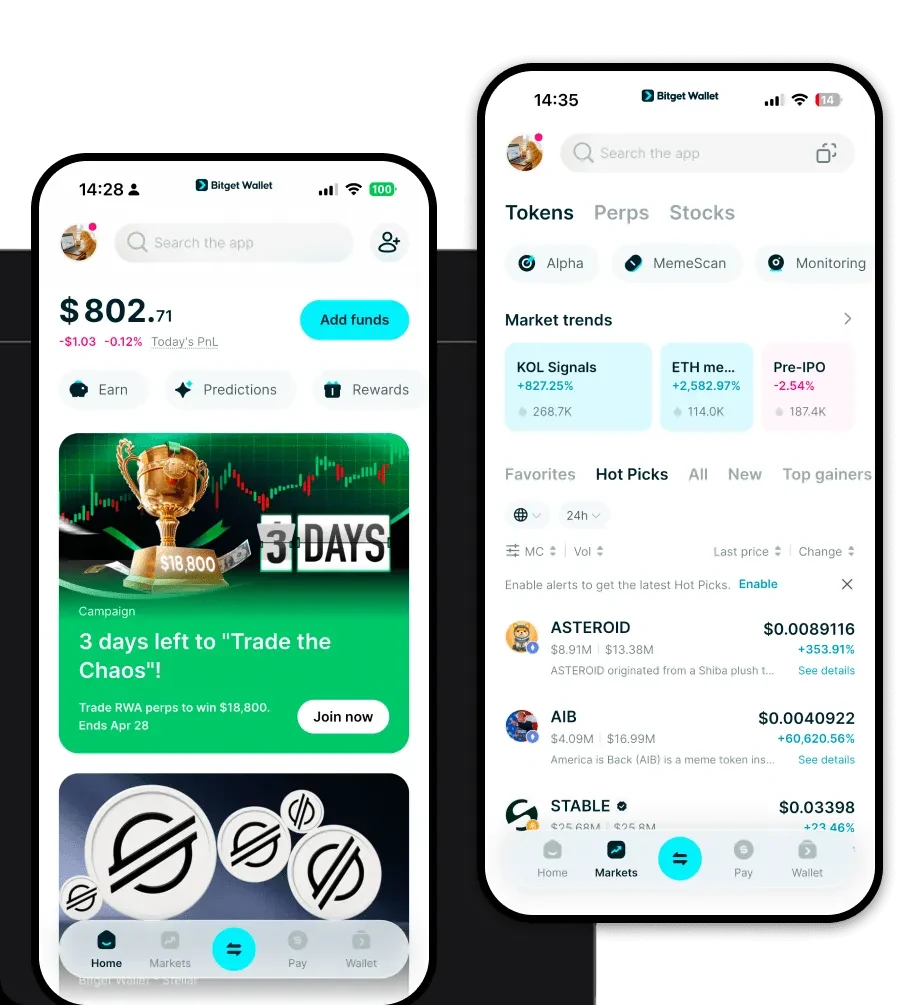
To begin your journey with SGR, you need a reliable gateway that prioritizes user sovereignty. The Bitget Wallet app serves as a professional-grade tool for managing your assets across multiple chains, ensuring you remain in control of your private keys at all times. Whether you are using an iOS device, an Android smartphone, or a desktop browser extension, the interface is designed to be intuitive for both beginners and advanced DeFi users. You can download Bitget Wallet today to experience a secure, multi-chain environment that simplifies complex Web3 interactions.
Why Choose Bitget SGR Wallet?
Choosing the right wallet for an EVM-based token like SGR is critical for performance and security. Bitget Wallet stands out for its robust infrastructure tailored to decentralized finance:
- Native EVM Compatibility: Seamlessly interact with any SGR-related smart contract or decentralized application without compatibility issues common in less specialized wallets.
- High Liquidity Support: Benefit from the wallet’s integrated DEX aggregators, which scan multiple liquidity pools to ensure you get the best possible price when trading SGR.
- Cross-Chain Accessibility: Easily move your SGR tokens across different bridges and networks, allowing you to leverage opportunities in various segments of the EVM ecosystem.
- Institutional-Grade Security: With a $300 million user protection fund and advanced encryption, your SGR assets are safeguarded against common Web3 vulnerabilities.
- Decentralized Trading Efficiency: Execute trades directly within the wallet interface, eliminating the need to connect to multiple third-party sites.
How to Create an SGR Wallet
- Download and Install: Visit the official Bitget Wallet website or your app store and download Bitget Wallet to your device.
- Set Up Your Account: Open the app and select 'Create a New Wallet.' Follow the prompts to generate your recovery phrase.
- Secure Your Seed Phrase: Write down your 12-word recovery phrase on paper and store it in a secure, offline location; never share this with anyone.
- Configure EVM Network: Since SGR is an EVM token, ensure your wallet is set to the correct network (e.g., Ethereum or Binance Smart Chain) where your SGR tokens reside.
- Add SGR Token: Click the '+' icon in your asset list, search for the SGR contract address, and add it to your dashboard to view your balance.
What Can You Do With an SGR Wallet?
Holding SGR in a Bitget Wallet opens up a variety of DeFi utilities that go beyond simple holding:
- Staking: Lock your SGR tokens into verified staking protocols directly through the wallet’s DApp browser to earn passive yields.
- Trading on DEXs: Use the built-in swap feature to exchange SGR for other assets on decentralized exchanges with minimal slippage.
- Providing Liquidity: Deposit SGR into liquidity pools on DeFi platforms to earn trading fees and rewards for supporting the ecosystem.
- Yield Farming: Participate in advanced yield farming strategies by deploying your SGR tokens into high-yield protocols found via the integrated DApp explorer.
- Portfolio Management: Monitor your entire SGR holdings, track real-time price fluctuations, and analyze your transaction history from a single, consolidated dashboard.
How SGR Wallets Are Different from Other Crypto Wallets
When dealing with EVM tokens like SGR, the wallet architecture differs significantly from non-EVM chains. Unlike BTC-based wallets that utilize the UTXO (Unspent Transaction Output) model, SGR wallets use the account-based model, which tracks balances as a single account state. This allows for complex smart contract interactions that UTXO models struggle to handle. Furthermore, because SGR lives on the EVM, your wallet must handle 'Gas Fees'—the transaction costs paid to network validators. Bitget Wallet optimizes this by providing real-time gas estimates, ensuring you never overpay for transactions while maintaining the speed and efficiency required for active DeFi participation.
