





What is a PEAT Wallet?
A PEAT wallet is a digital interface that allows you to store, manage, and interact with PEAT tokens. PEAT is an early experimental token independently issued on the Robinhood chain. It lacks official affiliation with any parent project, and the founding team, white paper, core technology, and tokenomics remain undisclosed. The token primarily attracts early holders through community-driven trading signals and liquidity, targeting active on-chain traders and experimental community builders. Because PEAT operates on the Robinhood chain, you need a wallet that can bridge the gap between complex on-chain interactions and user-friendly asset management.
Download Bitget PEAT Wallet
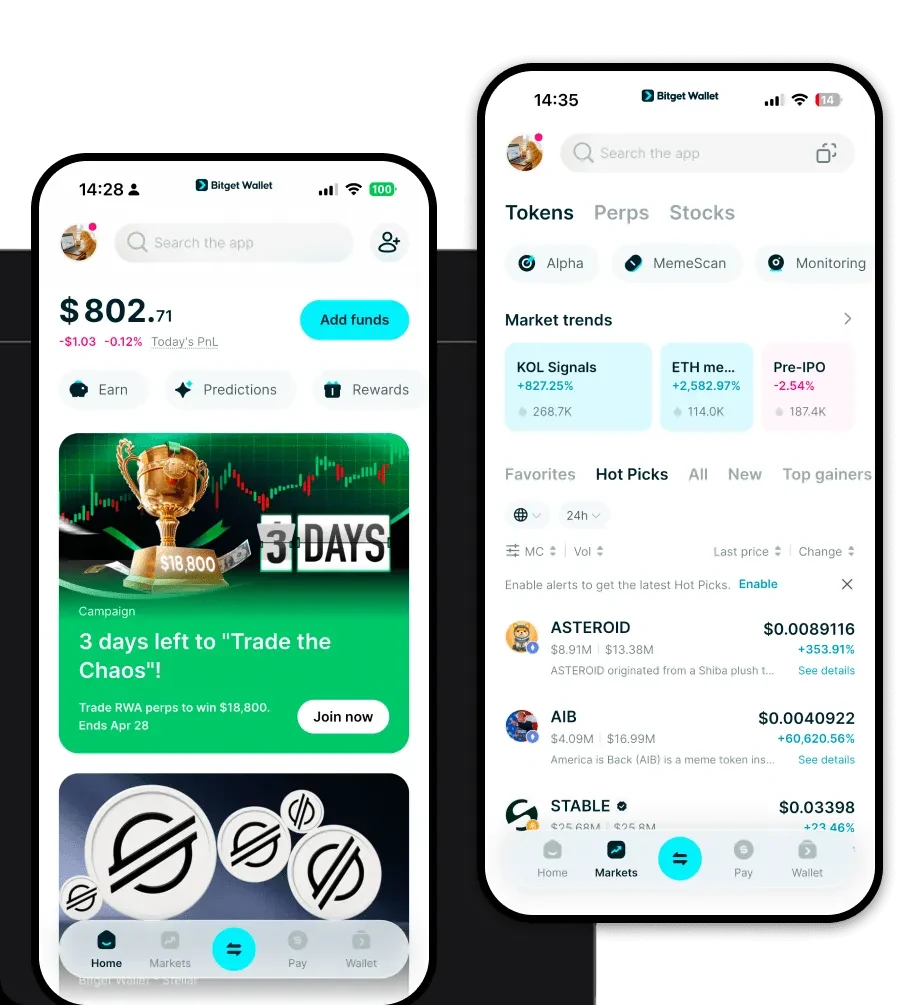
Finding a reliable place to store experimental assets requires a balance of security and accessibility. You can easily get started by visiting the official page to download Bitget Wallet. Designed for both seasoned degens and newcomers, this application offers full self-custody, ensuring you remain the sole owner of your private keys. Whether you are using an iOS or Android device, or prefer the convenience of a browser extension, Bitget Wallet provides a seamless experience. Its robust multi-chain support means that while you manage your PEAT tokens, you also have the flexibility to handle assets across 130+ other public chains within a single, unified interface.
Why Choose Bitget PEAT Wallet?
Selecting the right wallet for high-risk, experimental assets like PEAT is crucial for maintaining both security and trading agility. Bitget Wallet stands out for several reasons:
- Advanced Asset Management: Unlike standard wallets, Bitget provides comprehensive visibility into experimental tokens, allowing you to track your PEAT holdings alongside your broader portfolio with real-time price updates.
- Robust Security Architecture: With over $300 million in the User Protection Fund, your assets are shielded against unforeseen vulnerabilities, which is vital when holding experimental, high-risk assets.
- Aggregated Liquidity Access: Bitget integrates hundreds of DEXs and cross-chain bridges, ensuring that if you need to swap your PEAT tokens, you can find the best market rates without leaving the app.
- DApp Ecosystem Integration: You can easily connect to various experimental DApps and community platforms on the Robinhood chain, making it the best wallet for PEAT if you want to participate in early-stage speculation.
How to Create a PEAT Wallet
Setting up your wallet is a straightforward process designed to get you on-chain quickly:
- Download and Install: Visit the official Bitget Wallet website and install the app on your preferred platform (mobile or browser extension).
- Initialize Wallet: Open the app and select 'Create a New Wallet' to generate a new set of private keys.
- Secure Your Recovery Phrase: Carefully write down your seed phrase and store it offline; this is your only way to recover your assets.
- Enable the Chain: Navigate to the token management section and ensure the Robinhood chain is active or added to your custom token list.
- Import or Receive: You can now copy your wallet address to receive PEAT tokens or import existing addresses by entering your private key or recovery phrase.
What Can You Do With a PEAT Wallet?
Once your wallet is set up, you can engage deeply with the PEAT ecosystem. Here are the primary use cases:
- Trading: Use the built-in DEX aggregator to execute fast swaps for PEAT, taking advantage of real-time market signals from the community.
- Providing Liquidity: Participate in decentralized finance activities by contributing your PEAT tokens to liquidity pools, potentially earning rewards based on platform-specific protocols.
- Community Speculation: Stay active within the community by using your wallet to interact with governance or experimental DApps that drive the speculative nature of the token.
- High-Risk Portfolio Allocation: Manage your PEAT holdings as part of a diversified high-risk portfolio, using the wallet’s tracking tools to monitor performance alongside other experimental assets.
How PEAT Wallets Are Different from Other Crypto Wallets
Managing a token like PEAT requires a different approach compared to standard assets. While many wallets focus on simple storage, a specialized wallet for PEAT must handle the volatility and experimental nature of the Robinhood chain. Unlike BTC wallets which rely on the UTXO model for transaction verification, or legacy wallets that struggle with custom token data, Bitget Wallet utilizes an account-based model that is optimized for high-frequency interactions. This allows for faster transaction speeds and better gas fee management, which is essential when you are trying to execute trades during high-volatility events or speculative spikes. The interface is built to handle the unique metadata of community-driven tokens, ensuring that you aren't just seeing a balance, but interacting with the token's specific ecosystem features.
