





What is an OFR Wallet?
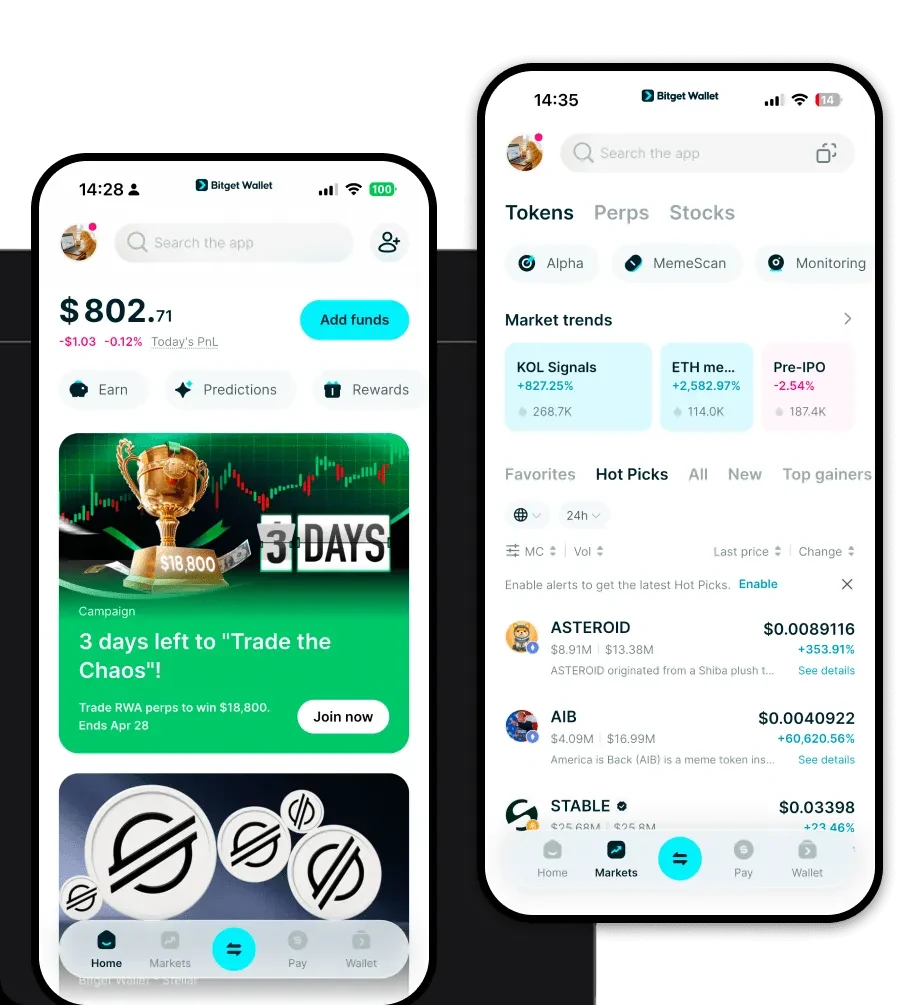
An OFR wallet is a digital interface designed to interact with the blockchain network where the OFR token resides. Since OFR operates on the EVM (Ethereum Virtual Machine) chain, it requires a wallet that adheres to Ethereum-based standards to ensure seamless interaction with smart contracts and decentralized applications. OFR is a digital asset that can be securely stored and managed using Bitget Wallet. It leverages the Web3 ecosystem to provide users with a reliable platform for their crypto assets, trusted by 40 million users.
Download Bitget OFR Wallet
Choosing the right tool is the first step in your crypto journey. To get started, you can download Bitget Wallet to access a comprehensive suite of features tailored for the modern DeFi user. Whether you are on the move or at your desk, Bitget Wallet offers a consistent experience across iOS, Android, and browser extensions. It emphasizes user sovereignty through private key self-custody, ensuring that you maintain complete control over your assets. With multi-chain support, you can manage your OFR tokens alongside hundreds of other assets without needing to switch between different applications.
Why Choose Bitget OFR Wallet?
When dealing with EVM-based DeFi assets like OFR, your wallet needs to be more than just a storage container; it needs to be a gateway to the broader ecosystem. Here is why Bitget Wallet stands out as the best wallet for OFR:
- Seamless EVM Compatibility: Bitget Wallet is built to interact natively with the EVM environment, allowing you to connect to any decentralized exchange or protocol without configuration headaches.
- Deep Liquidity Access: By aggregating hundreds of DEXs, the wallet ensures you get the best possible rates when trading OFR, minimizing slippage even during high volatility.
- Decentralized Trading Efficiency: Enjoy a smooth, non-custodial trading experience where you retain control of your private keys while executing complex swaps instantly.
- Cross-Platform Accessibility: Your portfolio remains synchronized across all your devices, providing a unified dashboard whether you are using the mobile app or the desktop browser extension.
How to Create an OFR Wallet
Setting up your wallet is a straightforward process designed for maximum security and ease of use. Follow these steps to secure your OFR holdings:
Step 1: Download and install the Bitget Wallet application from the official website or your device's app store.
Step 2: Open the app and select 'Create a New Wallet' to initiate the setup of your unique account.
Step 3: Carefully back up your seed phrase. This is the most critical step; write it down on paper and store it in a secure, offline location. Never share it with anyone.
Step 4: Set a strong, unique PIN or biometric lock to prevent unauthorized access to your device.
Step 5: Once the wallet is initialized, ensure you are connected to the correct EVM network, and you are ready to receive or import your OFR tokens.
What Can You Do With an OFR Wallet?
With your OFR wallet active, you open the door to a variety of decentralized finance activities. Here is how you can utilize your assets:
- Trading: You can execute decentralized swaps directly within the wallet interface, allowing you to trade OFR for other assets without relying on centralized exchanges.
- Staking: By connecting to supported DeFi protocols, you can stake your OFR tokens to participate in network governance or earn yield rewards over time.
- Providing Liquidity: You can contribute your OFR tokens to liquidity pools on decentralized exchanges, helping facilitate trades for others while earning a share of the transaction fees.
- Portfolio Management: Use the built-in tracking tools to monitor the performance of your OFR holdings, view real-time market data, and track your total portfolio value in a single, intuitive interface.
How OFR Wallets Are Different from Other Crypto Wallets
Not all wallets are created equal, especially when handling tokens on an EVM chain like OFR. Unlike older architectures that might use UTXO models (common in Bitcoin), EVM wallets are built on an 'account-based' model. This is crucial for DeFi because it allows the wallet to store the state of smart contracts and complex token approvals. Furthermore, while some chains require managing resources like CPU or NET (common in EOS), Bitget Wallet simplifies the process for OFR users by streamlining gas fee management. This ensures that your transactions are processed at optimal speeds without the need for technical manual adjustments, providing a superior user experience compared to basic, non-DeFi-focused wallets.
