



What is a FLARE Wallet?
A FLARE wallet is a digital interface that allows you to interact with the Flare network, a robust Layer 1 blockchain built to connect everything. Flare is an EVM-compatible network, which means it functions similarly to Ethereum, utilizing smart contracts to power decentralized applications. The core of the Flare ecosystem is its unique infrastructure: it features the Flare Time Series Oracle (FTSO) for decentralized data acquisition and the State Connector for secure cross-chain data interoperability. It is designed to provide developers and users with secure, decentralized access to data from other blockchains and the internet. Because it operates on an EVM architecture, your wallet acts as a bridge between your assets and these advanced data-centric protocols.
Download Bitget FLARE Wallet
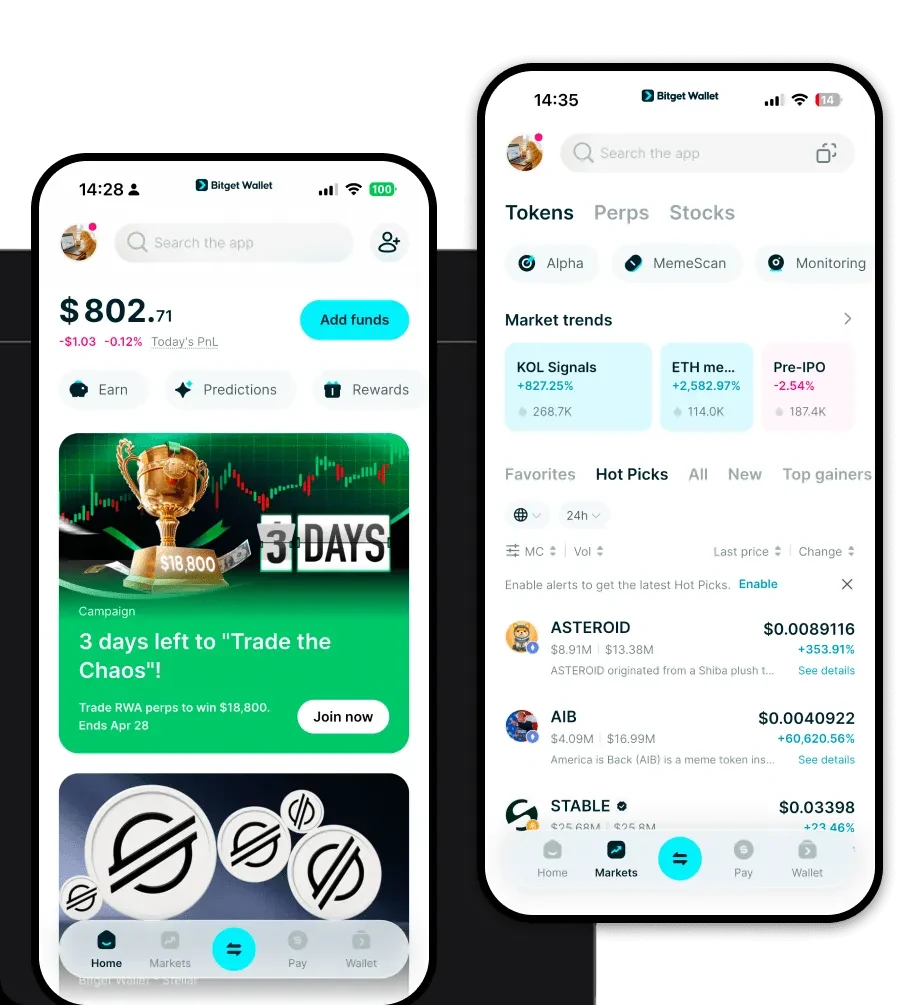
If you are looking for the best wallet for FLARE, Bitget Wallet stands out as a top-tier choice. It provides a seamless experience for managing your digital assets across multiple chains, ensuring you never have to juggle different apps for different protocols. By choosing to download Bitget Wallet, you gain access to a platform that prioritizes user control through private key self-custody, putting you in full command of your Flare tokens. Whether you prefer managing your portfolio on the go via iOS or Android, or you need the robust functionality of a browser extension for interacting with dApps, Bitget Wallet is built to handle it all. Its multi-chain support means you can seamlessly switch between Flare and other EVM networks, making it an essential tool for any serious crypto user.
Why Choose Bitget FLARE Wallet?
- EVM Seamlessness: As an EVM-compatible chain, Flare requires a wallet that understands smart contract interactions perfectly. Bitget Wallet offers native support for EVM chains, ensuring your transactions are processed smoothly without compatibility headaches.
- FTSO Integration: Unlike generic wallets, Bitget Wallet is optimized for the Flare ecosystem, making it easier to engage with the Flare Time Series Oracle for data-related activities.
- Gas Fee Management: With built-in gas tracking, you can monitor the network congestion on Flare in real-time, helping you execute transactions when fees are optimal.
- 300M+ Protection Fund: Security is paramount in Web3. Bitget Wallet is backed by a substantial user protection fund, providing an extra layer of security for your assets against potential hacks or platform vulnerabilities.
- Cross-Chain Efficiency: The wallet aggregates hundreds of DEXs and bridges, allowing you to swap tokens across different chains with minimal friction, which is vital for a cross-chain interoperable network like Flare.
How to Create a FLARE Wallet
Setting up your wallet is a straightforward process that takes only a few minutes. Follow these steps to get started:
- Download and Install: Visit the official Bitget Wallet website and download the application for your preferred device (iOS, Android, or Browser Extension).
- Create a New Wallet: Open the app and select 'Create a Wallet.' You will be prompted to set a strong security password.
- Backup Your Seed Phrase: This is the most critical step. You will be given a recovery phrase (a series of 12-24 words). Write this down on paper and store it in a secure location. Never share this with anyone.
- Add Flare Network: Since Bitget Wallet supports many chains, navigate to the network management section and ensure the Flare network is enabled, or simply search for your FLARE token to make it visible.
- Receive Tokens: Once your wallet is set up, click on 'Receive' to display your wallet address. Copy this address to send FLARE tokens from an exchange or another wallet to your new account.
What Can You Do With a FLARE Wallet?
Owning a FLARE wallet opens up a world of utility within the Layer 1 ecosystem. Here is how you can put your tokens to work:
- Staking via FTSO: You can participate in network security and earn rewards by staking your tokens through the Flare Time Series Oracle.
- Delegating to Data Providers: By delegating your voting power to reliable data providers, you contribute to the accuracy of the oracle system while earning potential yield.
- Building Cross-Chain dApps: Developers can use the wallet to interact with smart contracts, facilitating the creation and testing of decentralized applications that leverage Flare's interoperability.
- Governance Voting: Hold your tokens to participate in on-chain governance, helping shape the future development and protocol upgrades of the Flare network.
- Paying for Transaction Fees: Your wallet allows you to manage and spend native tokens to pay for transaction fees when interacting with dApps or transferring assets on the Flare network.
How FLARE Wallets Are Different from Other Crypto Wallets
Navigating the crypto landscape requires understanding that not all wallets are built for the same purpose. Because Flare is an EVM (Ethereum Virtual Machine) blockchain, a FLARE wallet must be specifically tuned to the account-based model, which differs significantly from the UTXO model used by Bitcoin. While a Bitcoin wallet focuses on managing unspent transaction outputs, a FLARE wallet focuses on managing account balances and smart contract states. Furthermore, because Flare emphasizes energy-efficient consensus and native oracle integration, your wallet needs to handle frequent smart contract interactions—such as delegating to data providers—far more efficiently than a simple storage-focused wallet. Choosing a specialized wallet like Bitget ensures you are not just storing tokens, but actively engaging with the advanced DeFi and data-acquisition features that define the Flare experience.
