





What is a Bankrupt Wallet?
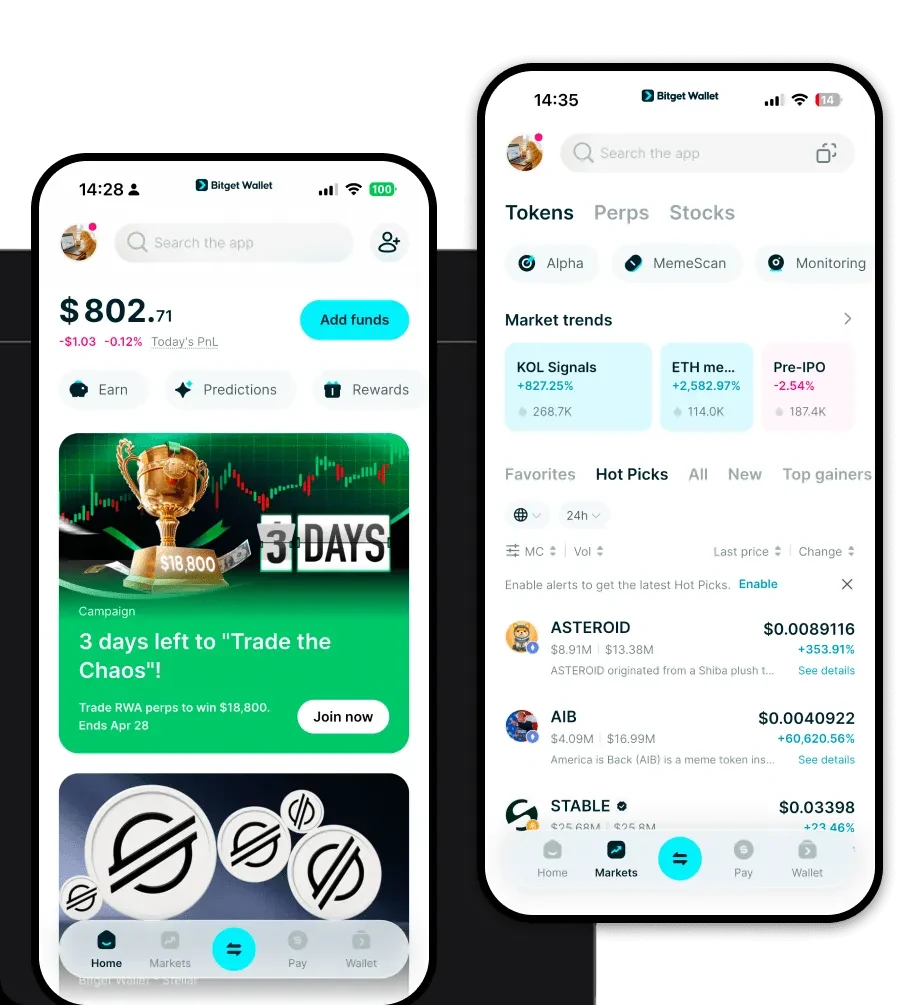
A Bankrupt wallet is a secure digital interface designed to interact with the Bankrupt token, a digital asset operating on the EVM (Ethereum Virtual Machine) blockchain. Because the token is built on EVM architecture, it requires a wallet that can seamlessly interpret smart contracts and handle token standards like ERC-20, which are standard for most decentralized applications. Bitget Wallet provides a reliable and secure crypto wallet for managing Bankrupt tokens, trusted by 40 million users to explore the Web3 ecosystem. By using a specialized wallet, you gain full control over your private keys, allowing you to participate directly in the decentralized economy without relying on centralized exchanges.
Download Bitget Bankrupt Wallet
To start managing your assets, you need a robust gateway that bridges the gap between your digital identity and the blockchain. We recommend you download Bitget Wallet to experience a comprehensive suite of tools. This application is designed to be your primary hub, featuring full self-custody over your private keys and seed phrases, ensuring that only you have access to your funds. Whether you are using an iPhone, an Android device, or prefer a browser extension for desktop interaction, the platform offers a unified experience. Its multi-chain architecture means you aren't limited to just one network; you can easily toggle between chains while keeping your Bankrupt token portfolio organized in one place.
Why Choose Bitget Bankrupt Wallet?
Managing a meme-driven asset on the EVM requires a specific set of tools that prioritize speed, compatibility, and intuitive design. Here is why Bitget Wallet stands out for Bankrupt holders:
- EVM Compatibility: As a token built on the EVM, Bankrupt benefits from Bitget Wallet’s seamless integration with Ethereum-based standards, ensuring instant compatibility with gas settings and smart contract interactions.
- Decentralized Liquidity Access: The wallet aggregates hundreds of DEXs, allowing you to find the best swap rates for Bankrupt tokens across various liquidity pools without leaving the app.
- High-Volatility Management: Given the nature of meme coins, the app features real-time price tracking and push notifications, helping you stay ahead of market shifts.
- Community-Driven Focus: The wallet’s DApp browser is optimized for discovering new community initiatives and trending projects, perfect for the social-media-centric lifecycle of the Bankrupt token.
- Enhanced Security Infrastructure: With a $300 million protection fund, the wallet adds a layer of institutional-grade security to your self-custody practices.
How to Create a Bankrupt Wallet
Setting up your wallet is a straightforward process that grants you immediate access to the EVM ecosystem. Follow these steps:
- Download and Install: Visit the official store or the website link provided above to download Bitget Wallet for your device.
- Create a New Wallet: Open the app and select 'Create Wallet.' You will be prompted to set a strong password for local access.
- Backup Your Seed Phrase: This is the most critical step. Write down your 12-word recovery phrase on paper and store it in a secure, offline location. Never share this with anyone.
- Enable EVM Networks: The wallet usually supports EVM by default. Ensure your main network (like Ethereum or BNB Chain) is active so your Bankrupt tokens can be displayed correctly.
- Add Bankrupt Token: Use the 'Add Token' feature and paste the official Bankrupt contract address. The wallet will automatically detect the token and display your balance.
What Can You Do With a Bankrupt Wallet?
Holding Bankrupt tokens in a non-custodial wallet unlocks a variety of Web3 interactions that go beyond simple storage. Here is how you can utilize your wallet:
- Speculative Trading: You can engage in fast-paced buying and selling on decentralized exchanges, utilizing the wallet's built-in swap feature to capitalize on market volatility.
- Community Participation: By holding tokens in your own wallet, you can interact with community-driven governance platforms or voting mechanisms specific to the Bankrupt ecosystem.
- Liquidity Provision: You can contribute your Bankrupt tokens to decentralized liquidity pools, helping to provide market depth while potentially earning transaction fees.
- Portfolio Diversification: Use the wallet to manage a basket of different assets, balancing your high-risk meme holdings with more stable assets to hedge against market swings.
- Holding for Long-term Speculation: Securely store your tokens for the long term, taking advantage of the self-custody model to keep your assets safe from exchange-related risks while waiting for potential value appreciation.
How Bankrupt Wallets Are Different from Other Crypto Wallets
When dealing with EVM-based tokens like Bankrupt, your wallet choice impacts your user experience significantly. Unlike wallets designed for the UTXO model (like Bitcoin), which focus on unspent transaction outputs, an EVM-compatible wallet like Bitget is built on an account-based model. This means your wallet acts like a bank account with a specific balance, allowing for more complex smart contract interactions. Furthermore, because Bankrupt tokens rely on the EVM ecosystem, you must manage gas fees, which are the costs paid to miners or validators to process your transactions. Bitget Wallet simplifies this by offering smart gas estimation, preventing failed transactions—a common frustration in more basic wallet interfaces. While simple wallets just store numbers, a specialized EVM wallet provides the necessary infrastructure to execute, approve, and track the complex smart contract calls required for active trading.
