



1. What is a PlaneCrash Wallet?
A PlaneCrash wallet is a specialized digital interface designed to hold, manage, and trade the PlaneCrash token. Because PlaneCrash operates on the EVM (Ethereum Virtual Machine) blockchain, it requires a wallet that is fully compatible with Ethereum-based standards. PlaneCrash is a digital asset often associated with high-risk, community-driven speculative projects. Bitget Wallet provides a secure interface for users to store, manage, and interact with such tokens within the Web3 ecosystem. By using a compatible wallet, you ensure that your assets are stored securely on the blockchain, granting you full custody of your private keys and direct control over your speculative assets.
2. Download Bitget PlaneCrash Wallet
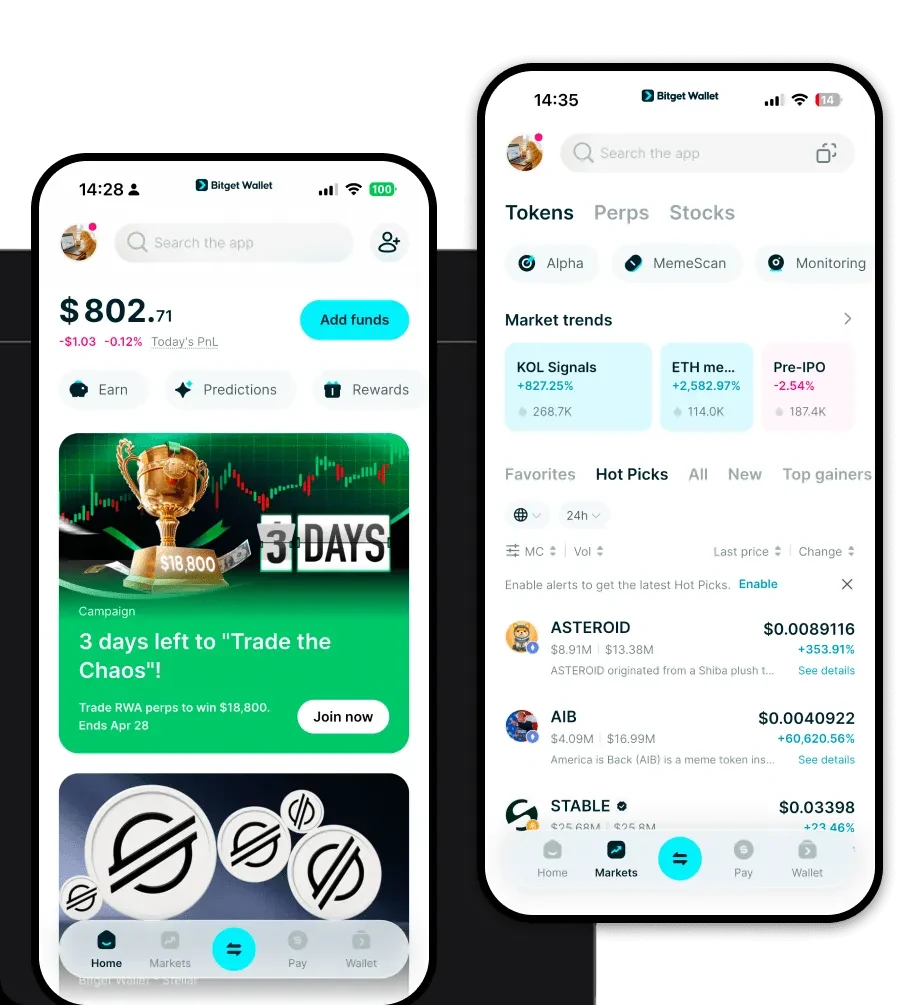
Getting started with your PlaneCrash holdings requires a reliable, multi-chain gateway. Bitget Wallet stands out as a premier choice, offering a seamless experience for both beginners and experienced traders. It provides full self-custody over your private keys, ensuring that you remain the sole owner of your assets at all times. Whether you prefer managing your portfolio on the go via iOS or Android, or you need a robust browser extension for desktop interaction, Bitget Wallet covers all bases. To begin, you can download Bitget Wallet and instantly gain access to a platform that supports over 130 public chains and millions of tokens, making it an ideal companion for your PlaneCrash journey.
3. Why Choose Bitget PlaneCrash Wallet?
Choosing the right wallet is critical when dealing with high-volatility, community-driven assets. Bitget Wallet offers specific advantages for the EVM ecosystem:
- Seamless EVM Compatibility: Designed for the Ethereum Virtual Machine, it ensures you can interact with decentralized exchanges (DEXs) and liquidity pools without compatibility hurdles.
- Advanced Gas Fee Management: With EVM assets, gas fees can fluctuate wildly; Bitget Wallet provides real-time gas estimation, helping you optimize transaction costs during high-volatility periods.
- Secure Decentralized Trading: The wallet aggregates hundreds of DEXs, allowing you to swap PlaneCrash tokens directly within the app, ensuring you get the best market rates without leaving the interface.
- Robust Security Architecture: With a 300 million USD user protection fund and advanced encryption, your speculative assets are shielded against common Web3 threats.
4. How to Create a PlaneCrash Wallet
Setting up your wallet is a straightforward process that grants you full control over your PlaneCrash tokens:
Step 1: Visit the official website or your app store to download Bitget Wallet and install it on your device.
Step 2: Open the app and select 'Create a New Wallet.' Ensure you are in a private environment.
Step 3: Carefully backup your recovery phrase. This is the only way to recover your funds; store it offline and never share it with anyone.
Step 4: Once the wallet is created, the system will automatically configure your EVM address, which serves as your public wallet address for receiving tokens.
Step 5: Navigate to the 'Add Token' or 'Manage' section, search for the PlaneCrash contract address, and toggle it to make it visible in your main dashboard.
5. What Can You Do With a PlaneCrash Wallet?
Owning a PlaneCrash wallet opens the door to several community-centric activities within the Web3 space:
Speculative Trading: Use the built-in DEX aggregator to actively trade PlaneCrash tokens, capitalizing on price movements in real-time.
Liquidity Provision: Participate in decentralized finance by providing liquidity to PlaneCrash pools, potentially earning rewards based on transaction volume.
Portfolio Diversification: Use the wallet's multi-chain capabilities to hold PlaneCrash alongside other assets, balancing your risk profile effectively.
Community Participation: Connect your wallet to community-driven DApps to vote, stake, or interact with project-specific features that rely on token-gated access.
6. How PlaneCrash Wallets Are Different from Other Crypto Wallets
When dealing with EVM-based tokens like PlaneCrash, the underlying architecture matters significantly. Unlike UTXO-based wallets (like those for Bitcoin), which focus on unspent transaction outputs, an EVM-compatible wallet like Bitget Wallet utilizes an 'Account-Based Model.' This model is designed for smart contract interaction, which is essential for Meme tokens and DeFi protocols. While UTXO wallets are excellent for simple store-of-value transfers, an EVM wallet is optimized for complexity—handling gas fees, smart contract execution, and token approvals seamlessly. Bitget Wallet bridges the gap by offering a high-speed, intuitive interface that simplifies the often complex nature of EVM transactions, making it far more efficient for active, community-driven trading than basic, limited-function wallets.
