





What is a FNS Wallet?
The FIO Name Service (FNS) represents a critical shift in how we interact with decentralized finance and Web3 applications. At its core, FNS (FIO Name Service) aims to simplify the cryptocurrency transaction experience, by mapping complex public key addresses to easy-to-read FIO addresses, enhancing transfer and interaction efficiency across the Web3 ecosystem. As a decentralized domain service, it supports multi-chain asset management and is widely integrated into mainstream cryptocurrency wallets like Bitget Wallet, providing users with a secure and convenient asset receiving and sending experience.
Unlike standard wallets that focus solely on token storage, an FNS-compatible wallet acts as an infrastructure layer. It operates across multiple networks, effectively abstracting the complexity of traditional blockchain addresses into a format that humans can actually read and remember. By using FNS, users can mitigate the risks associated with "copy-paste" errors, which have historically been a significant pain point in the crypto space.
Download Bitget FNS Wallet
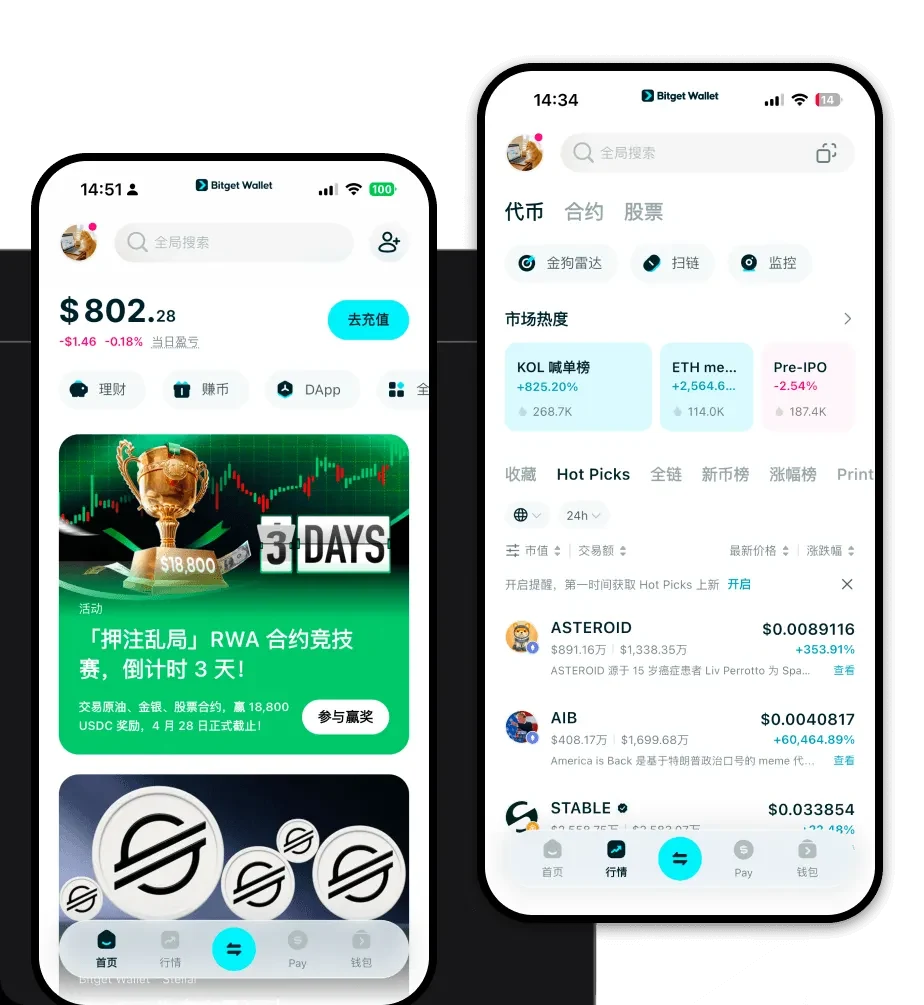
Managing your FNS assets requires a wallet that is as versatile as the service itself. Bitget Wallet stands out as a top-tier solution, offering a comprehensive gateway to the decentralized world. Whether you are a desktop user or prefer mobile convenience, the platform ensures you have total control over your digital identity.
Bitget Wallet provides robust multi-chain support, allowing you to manage not just FNS, but a vast array of assets across hundreds of networks simultaneously. It is designed for self-custody, meaning you retain absolute ownership of your private keys and seed phrases at all times. The application is fully optimized for iOS, Android, and browser extensions, ensuring consistent access regardless of your device. To get started, you can download Bitget Wallet and begin the setup process in minutes.
Why Choose Bitget FNS Wallet?
Choosing the right wallet for FNS is crucial for long-term security and usability. Here is why Bitget Wallet is the preferred choice for FNS enthusiasts:
- Comprehensive Security Infrastructure: The platform is backed by a $300 million user protection fund, providing an extra layer of security that goes beyond standard cold storage solutions.
- Seamless Multi-chain Aggregation: Bitget Wallet integrates hundreds of DEXs and cross-chain bridges, ensuring that your FIO-mapped assets can be moved or traded without friction.
- Intuitive User Experience: The interface is designed to reduce the learning curve, making the process of mapping addresses and managing identities accessible even to beginners.
- Real-time Market Data: You get access to deep insights and market trends directly within the app, helping you make informed decisions about your domain registrations and asset transfers.
- Advanced DApp Browser: The built-in browser allows you to interact with various Web3 protocols while maintaining your FIO identity, ensuring a unified experience across different platforms.
How to Create a FNS Wallet
Creating a wallet to manage your FNS assets is a straightforward process when using a professional tool like Bitget Wallet. Follow these five steps to get started:
- Installation: Visit the official website or your app store to download Bitget Wallet.
- Wallet Creation: Open the app and select "Create a New Wallet." You will be prompted to set a secure password or utilize biometric authentication.
- Backup Recovery Phrase: Carefully record your 12-word seed phrase on paper and store it in a secure, offline location. Never share this with anyone.
- Import or Add Assets: Once your wallet is set up, you can import existing addresses or generate new ones. Ensure you have the necessary tokens to cover any potential network fees associated with domain registration.
- FIO Integration: Within the wallet settings, navigate to the domain service section to link your chosen FIO handle to your public addresses, effectively activating your human-readable identity.
What Can You Do With a FNS Wallet?
A wallet integrated with FNS technology transforms how you interact with the blockchain. Here are the primary use cases:
- Sending crypto assets: You can transfer tokens to friends or merchants using their simple FIO handle instead of long, error-prone hexadecimal addresses.
- Receiving crypto assets: By providing your FIO address, you make it significantly easier for others to send you funds without the risk of sending to the wrong chain or address type.
- Domain registration: You can register and manage your own unique FIO handles, which serve as your personal brand or identity across the decentralized web.
- Identity management: Your FIO handle acts as a universal identifier, allowing you to prove ownership and manage your presence across multiple DApps and platforms effortlessly.
- Wallet address mapping: The wallet backend automatically maps your various public addresses to your FIO handle, ensuring that all your supported tokens are routed correctly when someone sends funds to your domain.
How FNS Wallets Are Different from Other Crypto Wallets
Standard crypto wallets are primarily designed to interact with specific blockchains using their native address formats (e.g., 0x addresses for Ethereum or bc1 addresses for Bitcoin). These wallets require users to manage different addresses for every single chain they use, which is inefficient and prone to error.
In contrast, an FNS-enabled wallet like Bitget Wallet introduces a layer of private key abstraction. It doesn't replace the underlying blockchain infrastructure, but it sits on top of it to manage the user experience. While traditional wallets force you to deal with the technicalities of gas fees and network-specific address formats, FNS wallets prioritize the user's identity. This "infrastructure-first" approach allows for cross-chain interoperability, meaning your single FIO handle can represent multiple addresses across different chains, effectively unifying your fragmented digital presence into one cohesive, human-readable identity.
