





What is an aleth Wallet?
An aleth wallet is a specialized digital interface designed to interact with the aleth asset, which operates primarily within the Ethereum Virtual Machine (EVM) ecosystem. ALETH is an Ethereum-based asset often associated with liquidity protocols or specific wrapped versions of Ether. Users looking for a reliable and secure way to manage ALETH can utilize wallets like Bitget Wallet to explore Web3 applications, staking, and decentralized finance opportunities. Because aleth functions on the EVM, your wallet must be capable of interacting with smart contracts, processing gas fees in ETH, and connecting to decentralized applications seamlessly.
Download Bitget aleth Wallet
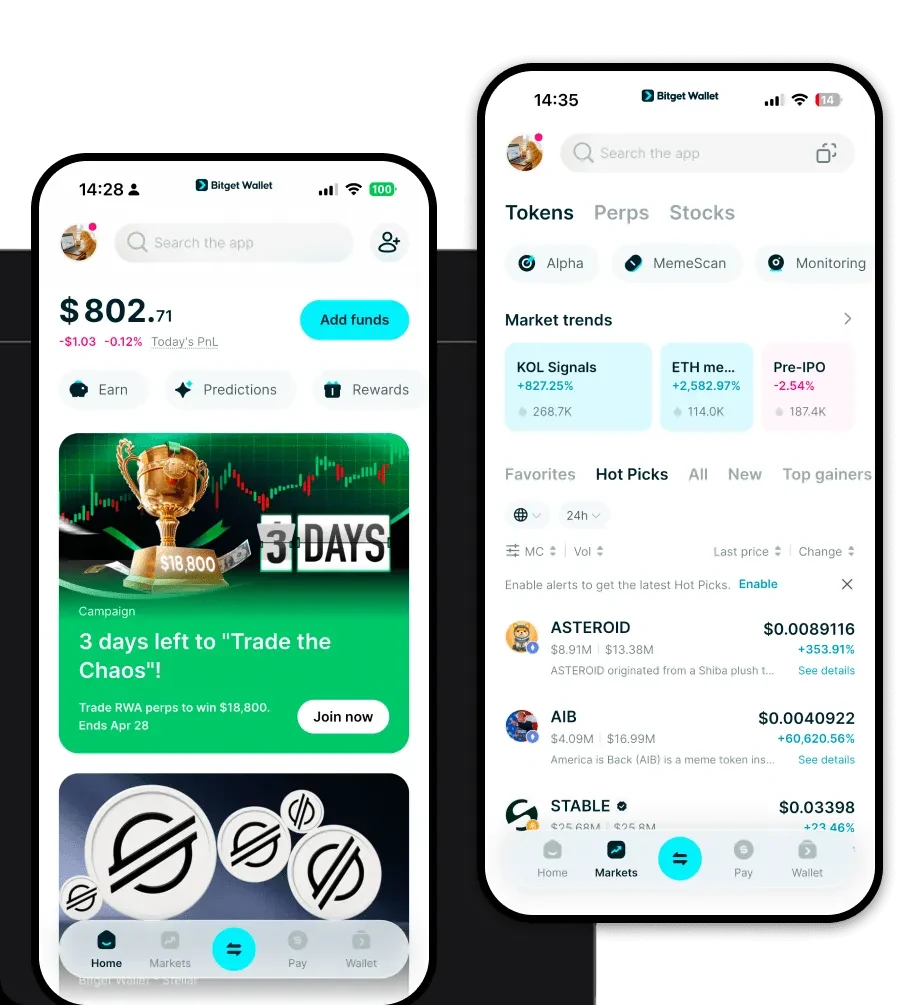
Finding the right home for your assets is crucial, and Bitget Wallet offers a comprehensive solution for managing aleth. As a self-custodial wallet, it ensures that you remain the sole owner of your private keys, providing full control over your digital assets. Whether you are on the move or at your desk, Bitget Wallet is available as an iOS app, Android app, or a browser extension, ensuring a consistent experience across all devices. The wallet is designed for multi-chain flexibility, allowing you to manage not just your aleth, but thousands of other tokens across 130+ blockchains. To get started, you can download Bitget Wallet and begin your secure Web3 journey today.
Why Choose Bitget aleth Wallet?
When selecting the best wallet for aleth, you need a platform that understands the nuances of DeFi. Bitget Wallet stands out for several key reasons:
- Seamless EVM Compatibility: Bitget Wallet is fully compatible with the Ethereum Virtual Machine, meaning you can easily import your existing MetaMask assets or interact with any Ethereum-based dApp without configuration headaches.
- Advanced Gas Fee Management: By integrating smart gas fee estimation, the wallet helps you optimize transaction costs, ensuring you don't overpay for liquidity provisions or swaps.
- Integrated DApp Browser: You can access top DeFi protocols directly from the wallet interface, making it easier to stake or trade aleth without switching between apps.
- Institutional-Grade Security: With a $300 million user protection fund, Bitget Wallet provides an extra layer of security, giving you peace of mind while engaging with complex smart contracts.
- Cross-Protocol Interoperability: The wallet aggregates hundreds of DEXs and bridges, allowing you to move your aleth across different protocols with maximum efficiency.
How to Create an aleth Wallet
Setting up your wallet is a straightforward process designed to keep your assets secure:
- Download and Install: Visit the official website to download Bitget Wallet on your preferred device.
- Create a New Wallet: Open the app and select 'Create a Wallet'. Ensure you are in a private environment.
- Secure Your Recovery Phrase: You will be given a 12- or 24-word recovery phrase. Write this down on paper—do not take screenshots—and store it in a safe, offline location.
- Set Up Your EVM Network: Since aleth is an Ethereum-based asset, ensure your wallet is set to the Ethereum network or the specific EVM chain where your aleth resides.
- Add aleth as a Custom Asset: If the token does not appear automatically, use the 'Add Token' feature and input the official aleth contract address to see your balance.
What Can You Do With an aleth Wallet?
Owning aleth is just the beginning. With a robust wallet, you can fully leverage the DeFi ecosystem:
- Staking: You can lock your aleth into protocol-specific contracts to earn passive rewards and contribute to network security.
- Providing Liquidity: By depositing your aleth into decentralized liquidity pools, you can earn a share of the transaction fees generated by the platform.
- Yield Farming: You can maximize your returns by moving your aleth between various yield farming protocols to take advantage of the highest APYs.
- Trading on DEXs: The wallet allows you to swap aleth for other assets instantly on decentralized exchanges without the need for a centralized intermediary.
- Collateral for Lending: You can use your aleth as collateral in decentralized lending markets to borrow other assets, allowing you to leverage your holdings without selling them.
How aleth Wallets Are Different from Other Crypto Wallets
Not all wallets are built the same. An aleth wallet, specifically one designed for the EVM ecosystem like Bitget Wallet, differs significantly from Bitcoin-centric wallets. While BTC wallets focus on the UTXO model and simple transfers, an aleth wallet is designed to handle the complex state changes of the Ethereum Virtual Machine. This means it must manage 'gas'—the fee required for every smart contract interaction—and handle complex token standards like ERC-20. Furthermore, because aleth is deeply integrated into DeFi, your wallet needs to act as a browser for Web3, whereas a simple storage wallet for Bitcoin might not offer the dApp interaction capabilities required for liquidity provision and yield farming.
