





What is a Ceramic Wallet?
A Ceramic wallet is a specialized interface designed to interact with the Ceramic network, a decentralized data protocol that fundamentally changes how we handle information on the web. Unlike traditional blockchains, Ceramic is a decentralized data network that brings unlimited data composability to Web3 applications. It allows developers to build applications that can share, store, and update data across different blockchains and protocols, effectively serving as a decentralized database for the decentralized web.
Because Ceramic operates as a distinct infrastructure layer rather than a standard token-centric blockchain, having a robust wallet is crucial for managing the DID (Decentralized Identifier) keys and data streams associated with your Web3 presence. A proper Ceramic wallet ensures you maintain control over your decentralized data while seamlessly interacting with the broader Web3 ecosystem.
Download Bitget Ceramic Wallet
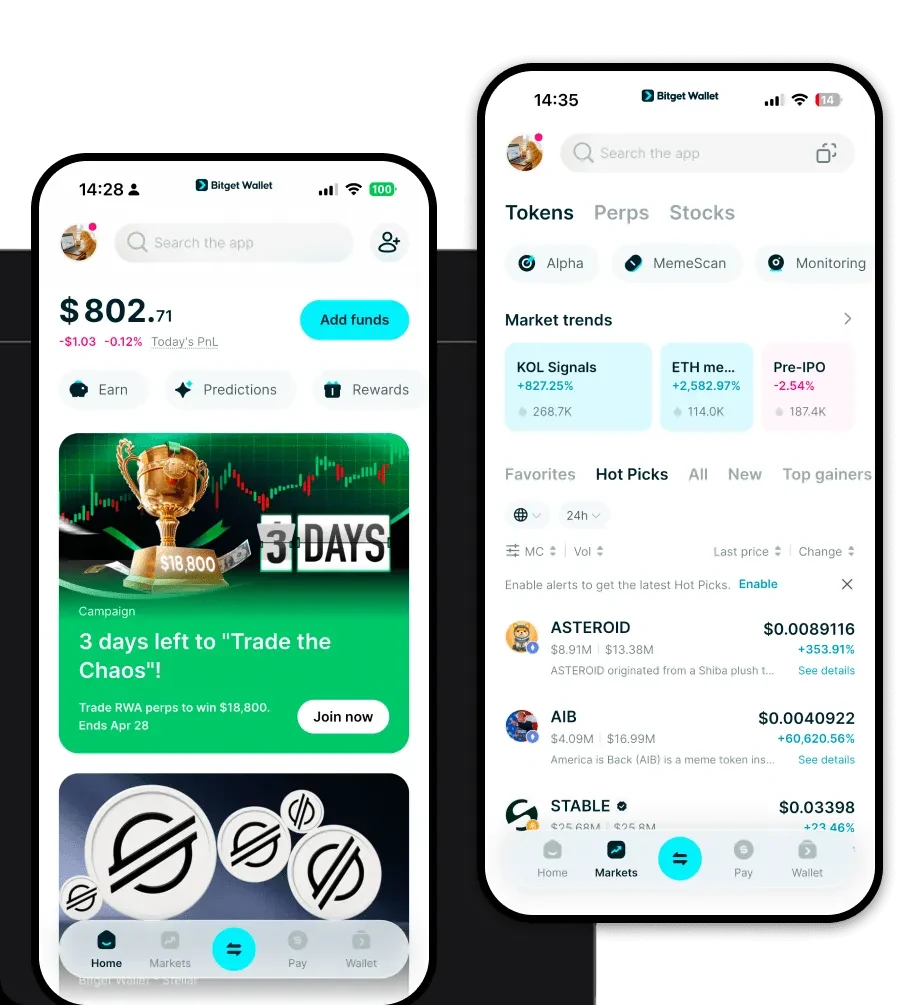
To engage with the decentralized web, you need a gateway that is as flexible as the protocol itself. Bitget Wallet serves as an all-in-one platform that simplifies your interactions with complex data networks. Whether you are a developer or an end-user, having a secure, non-custodial wallet is the first step toward true data sovereignty.
Bitget Wallet provides a comprehensive suite of tools, including full multi-chain support, ensuring that even as you work with specialized infrastructure like Ceramic, your assets remain secure and accessible. You maintain full control over your private keys, a non-negotiable requirement for decentralized data management. Whether you prefer managing your digital life on the go via iOS or Android, or you need the precision of a browser extension for your desktop workflows, you can download Bitget Wallet to get started immediately.
Why Choose Bitget Ceramic Wallet?
Choosing the right wallet for infrastructure projects like Ceramic requires more than just basic storage capabilities. You need a platform that understands the nuances of decentralized data and cross-chain interoperability. Here is why Bitget Wallet stands out:
- Advanced Infrastructure Support: Unlike generic wallets, Bitget Wallet is built to handle complex protocols, ensuring seamless interaction with decentralized data streams and permissionless storage architectures.
- True Self-Custody: Your identity and data are your own. Bitget Wallet ensures you retain complete ownership of your private keys and seed phrases, protecting your decentralized identity (DID) from centralized points of failure.
- Unmatched Cross-Chain Compatibility: Since Ceramic excels at cross-chain interoperability, you need a wallet that can bridge the gap. Bitget Wallet supports over 130 mainnets, allowing you to move assets and data context between Ceramic and other major ecosystems effortlessly.
- Robust Security Framework: With a $300 million user protection fund, Bitget Wallet provides a significant security buffer, ensuring that your interactions with dynamic content and decentralized applications remain safe from common exploits.
How to Create a Ceramic Wallet
Setting up your wallet is a straightforward process designed to get you connected to the Ceramic network in minutes:
- Download and Install: Visit the official Bitget Wallet website and download the application for your specific device (iOS, Android, or browser extension).
- Initialize Your Wallet: Open the app and select 'Create a New Wallet'. You will be generated a recovery phrase—store this offline and never share it with anyone.
- Verify Your Phrase: Confirm the recovery phrase as prompted by the app to ensure you have backed it up correctly.
- Set Your Security: Enable biometric authentication or a strong PIN code to add an extra layer of protection to your local device.
- Activate Your Address: Once set up, your wallet is ready. Because Ceramic relies on DID integration, ensure you back up your public address and connect it to your favorite Ceramic-based applications to begin managing your data streams.
What Can You Do With a Ceramic Wallet?
A Ceramic wallet is more than just a place to hold tokens; it is a tool for interacting with the decentralized web's infrastructure. Here are specific ways to utilize your wallet:
- Managing Decentralized Identity (DID): You can use your wallet to authenticate yourself across various DApps, ensuring your identity remains portable and under your control rather than tied to a single platform.
- Building Modular DApps: Developers can use the wallet to sign transactions and verify data updates when building modular dApps that require persistent, decentralized data storage.
- Storing User-Generated Content: Your wallet acts as the gatekeeper for the content you create, allowing you to store and update user-generated content directly on the Ceramic network without relying on centralized servers.
- Cross-Application Data Sharing: You can authorize different applications to access specific data streams, enabling seamless cross-application data sharing while keeping your private data secure.
- Developing Verifiable Credentials: The wallet facilitates the creation and management of verifiable credentials, allowing you to prove your qualifications or status in a decentralized, tamper-proof manner.
How Ceramic Wallets Are Different from Other Crypto Wallets
The distinction between a standard crypto wallet and one designed for infrastructure protocols like Ceramic lies in the underlying architecture. While standard EVM wallets (like those for Ethereum) are built around account models and gas-fee estimations for token transfers, a Ceramic-focused setup prioritizes data integrity and stream management.
Ceramic wallets do not just deal with balance updates; they interact with decentralized data streams. Unlike UTXO-based wallets (common in Bitcoin) that focus on transaction inputs and outputs for value transfer, a Ceramic wallet focuses on content composability. When you use Bitget Wallet, you are leveraging a platform that is agile enough to handle both token-based transactions and the data-intensive requirements of the Ceramic network, bridging the gap between value exchange and information management.
